Get Full Government Meeting Transcripts, Videos, & Alerts Forever!
Get email alerts on the Victim Health Policy topic
No spam. Unsubscribe anytime.
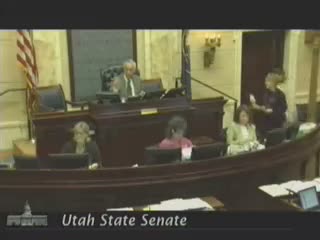
Senate approves bill letting victims seek probable-cause HIV tests of alleged perpetrators, amid constitutional debate
Summary
House Bill 324 was amended and approved on the Senate floor to allow a judge, on probable cause and when the judge finds the alleged victim was likely exposed, to order HIV testing of an alleged perpetrator before conviction. Senators raised medical-timing and Fourth Amendment concerns during debate.
The Senate passed House Bill 324 after adopting an amendment that clarified the standard for probable cause for post-assault HIV testing of alleged perpetrators.
Sponsor Senator Adams told colleagues the bill shortens the time before a perpetrator can be tested — currently testing cannot be required until after conviction — and permits a judge, upon signing an arrest warrant or pickup order based on probable cause and finding that the alleged victim was likely exposed, to authorize testing. The sponsor moved Amendment 2 to require both a judicial probable-cause finding on the offense and an express finding that the alleged victim likely was exposed to HIV.
Senators who handle victim services and criminal-justice issues pressed on speed and constitutionality. Senator Christiansen asked whether judges could make probable-cause findings fast enough to allow victims to receive post-exposure prophylaxis within 72 hours; Senator Adams said treatment often proceeds anyway when the perpetrator is unknown. Senator Reed compared the proposal to existing practices such as drawing blood in DUI cases and taking DNA samples from accused persons, arguing the change helps prevent secondary victimization.
Other senators, including Senator Robles, who works with victims of sexual assault and domestic violence, said she supported protections for victims but expressed ongoing concern about Fourth Amendment implications of drawing blood or ordering a test without conviction. Sponsor and supporters said the amendment narrowed the standard and aimed to balance victim health and constitutional protections.
The clerk reported the final roll-call as 21 yeas, 2 nays, 6 absent; the bill passes and will be placed on the third-reading calendar.