Get Full Government Meeting Transcripts, Videos, & Alerts Forever!
Get email alerts on the Tax Policy topic
No spam. Unsubscribe anytime.
Senate advances sales-tax rollback amendment, debate centers on whether restoring food tax is regressive
Summary
Senate debate on SB270 (state sales tax rate adjustment and restoring tax on food) produced sharp disagreement: sponsors said restoring food tax increases stability for state revenues while opponents said it would raise costs for most families and hit low-income households hardest.
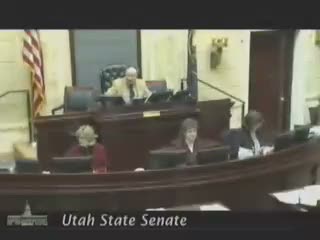
The Utah Senate took up a major tax-policy proposal Feb. 25 that would adjust the state general sales tax and restore taxation of food purchased at retail.
Senator Adams, sponsor of the amendment to Senate Bill 270, said he sought revenue stability for the state’s general fund and described the change as revenue-neutral after his amendment reduced the state rate from 4.7% to 4.38%. "We do not have a 3 legged stool in the state of Utah as far as tax policy for a general fund," Adams said, arguing that restoring a food tax would smooth revenue volatility.
Opponents warned of distributional effects. "This is going to raise the tax on 93% of Utah families," Senator Romero said, saying the change would disproportionately affect working families who must purchase food. Senator Robles and others urged caution about the impact on low-income households and called for alternatives targeted by income rather than a broad-based tax change.
Sponsors pointed to analysis from the Utah Tax Review Commission and supplied handouts showing how previous exemptions affected income classes; Adams said targeted approaches such as income-tax credits would better help low-income households while the sales-tax change would shore up state revenue stability.
The Senate debated fiscal notes, data and political implications at length. Senator Stevenson asked for a revised fiscal note on third reading; Adams agreed to provide an updated estimate. The motion to move SB270 forward to the third-reading calendar passed but the debate indicated continuing contention over the measure’s distributional consequences.
The bill’s supporters framed it as a long-range revenue-stability measure; opponents described it as a tax increase on most households and urged more targeted relief for lower-income families. The next procedural step is revision of the fiscal note and further floor action.