Get Full Government Meeting Transcripts, Videos, & Alerts Forever!
Get email alerts on the Medicaid Policy topic
No spam. Unsubscribe anytime.
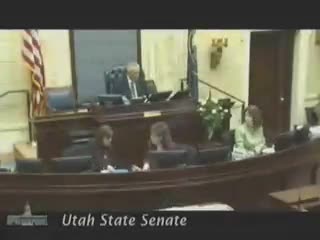
Senate approves Medicaid community‑service pilot despite objections from some members
Summary
The Senate approved HB211 to authorize a Medicaid community‑service pilot for up to 100 able‑bodied, unemployed Medicaid enrollees in the primary care network; supporters described it as a job‑skills opportunity while dissenting senators warned it risks penalizing low‑income people already in other assistance programs.
The Utah State Senate approved House Bill 211, which directs the Department of Health to develop a community‑service pilot program for up to 100 able‑bodied, unemployed Medicaid enrollees who are enrolled in the primary care network.
Sponsor Senator Bramble said the pilot is limited in scope and intended to provide participants with community‑based work experience and job skills, not to penalize beneficiaries. "This bill doesn't penalize," Bramble said, describing eligibility limitations and the goal of increasing participants’ prospects for employment.
Senator Robles recorded his opposition and explained his "no" vote on the floor. Robles said many Medicaid recipients are already involved in work or training programs through TANF and other assistance and that applying a community‑service requirement to health‑care eligibility sends the wrong message. "I think it's wrong to do this and sends the wrong message when it comes to people ... being poor," Robles said, urging caution about conflating health benefits with work requirements.
The Senate voted to pass HB211; the transcript records the outcome as 25 yeas, 3 nays and 1 absent. The measure was signed in open session by the presiding officer and will be returned to the House for further action.
The bill, as described on the floor, limits pilot participation to individuals who are able‑bodied, unemployed and enrolled in the primary care network, and the sponsor said the pilot is confined to a maximum of 100 participants. Opponents argued the proposal duplicates existing work‑program requirements for some benefit recipients and questioned whether it creates a de facto penalty for low‑income people receiving health services.
The next procedural step is return to the House; further committee or administrative implementation steps would be required before any operational program begins.