Get Full Government Meeting Transcripts, Videos, & Alerts Forever!
Get email alerts on the Higher Education topic
No spam. Unsubscribe anytime.
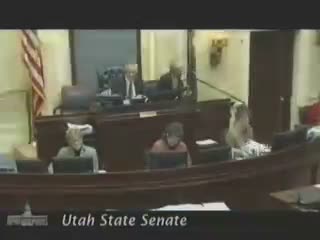
Senate debates in-state veterinary school plan; bill advanced but tabled on third pending fiscal review
Summary
Senators debated House Bill 57 to establish a professional veterinary medicine program at Utah State University (a 2+2 partnership with Washington State). Lawmakers praised workforce benefits but raised fiscal-priority concerns; the Senate placed the bill on third reading then tabled it pending fiscal-note review.
Senator Stoll presented House Bill 57, a proposal to create a professional school of veterinary medicine using a 2+2 model: two science-based years at Utah State University followed by two clinical years at Washington State University. Stoll said the program would open capacity for roughly 20 in-state and 10 out-of-state students per year and estimated ongoing costs (fiscal note) and larger full-program costs if constructed independently.
"This program would allow 20 in state students and 10 out of state students into the program," Stoll said while outlining the partnership model and workforce need. Senators discussed the program’s relation to existing WICHE arrangements, precedent from the dental program model and potential impacts on higher-education priorities. Senator Hilliard and others described experience with WICHE and comparable programs and urged careful fiscal consideration.
Supporters said the approach is less expensive than building a full clinical program in-state and would increase access to veterinarians—particularly in rural areas. Critics and appropriations-focused senators emphasized competing priorities and the large fiscal note; the Senate subsequently placed HB57 on the third reading calendar and then voted to table it on third pending fiscal evaluation. The motion to table carried and the bill will not proceed to final passage until the fiscal matters are resolved.
The floor record shows appropriations and prioritization will determine any funding; sponsors noted WICHE arrangements for current students would continue if Utah proceeds with this model.