Get Full Government Meeting Transcripts, Videos, & Alerts Forever!
Get email alerts on the Child Safety topic
No spam. Unsubscribe anytime.
Senate adopts amendment to child-unattended law, adds specific risk definitions and passes measure
Summary
Senators adopted Amendment No. 2 to Senate Bill 124 to specify risks (hypothermia, dehydration, or a reasonable-person standard) when charging leaving a child unattended; the amended bill passed 18–10.
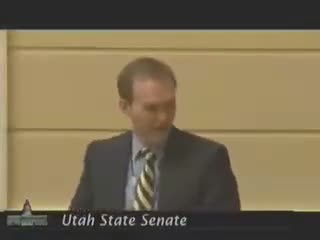
Senator McAdams proposed Amendment No. 2 to Senate Bill 124 to tighten the statute that addresses leaving a child unattended in a motor vehicle. The amendment inserts definitions enumerating risk factors — hypothermia, dehydration, or circumstances a ‘reasonable person’ would expect to present risk — to narrow law enforcement discretion.
"We've gone back and what we've done is we're proposing amendment number 2 that adds definitions to Line 42 that the risk is due to hypothermia, hypothermia or dehydration or that a risk that a reasonable person would expect to exist," McAdams said while presenting the amendment. Senators who had earlier raised concerns, including Senator Hilliard, said the amendment resolved specificity questions. Senator Valentine noted remaining prosecutorial issues but expressed support for the amendment as an improvement.
Opponents warned of overreach and potential chilling effects on parents’ ability to respond to emergencies; Senator Butters gave an example he said illustrated possible unintended consequences. After debate the Senate adopted the amendment and subsequently passed SB124 as amended by a recorded vote of 18 yeas, 10 nays and 1 absent. The measure will be returned to the House for further action.
Floor discussion made a distinction between this clarified offense and existing child-abuse statutes, with sponsors noting that aggravated conduct remains prosecutable under other laws. The floor record shows the sponsors worked with legal staff to address lesser/greater-included offense concerns before adopting the amendment.