Get Full Government Meeting Transcripts, Videos, & Alerts Forever!
Get email alerts on the Criminal Justice Dui topic
No spam. Unsubscribe anytime.
Senate restores 18‑month refusal suspension in revised DUI bill; first substitute SB 28 passes
Summary
Lawmakers amended and passed first substitute Senate Bill 28, restoring the existing 18‑month license suspension for refusal to submit to testing and forwarding the measure to the House. Sponsors said the bill aims to expand counseling and provide a two‑year window for license reinstatement for eligible young offenders.
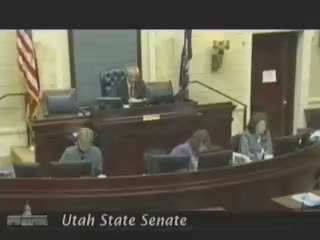
Senators on the floor debated and amended first substitute Senate Bill 28, an alcohol- and drug‑related offense measure, and passed the bill on final reading. The amendment restored existing law by keeping an 18‑month suspension for refusal to submit to testing rather than the longer suspension proposed in the substitute; the Senate adopted the amendment and later approved the bill by voice and roll call and forwarded it to the House (26 yea, 0 nay, 3 absent).
Sponsor Senator Jenkins described the substituted measure as intended “to give some relief to these kids,” explaining it creates a counseling program and a two‑year window for eligible individuals to obtain screenings and seek license reinstatement while adjusting penalties in limited areas. Jenkins told colleagues the substitute had been negotiated with multiple stakeholders and urged support so the measure could move forward.
Senator Madsen moved from the floor to reinstate the existing 18‑month refusal suspension on line 298 of the draft, arguing the substitute would increase penalties in a way that could be harsher than current practice and that the existing standard better reflected policy. Several senators supported maintaining the current 18‑month penalty, noting the difference between refusing a test and failing a test and expressing concern that an increase could be unduly punitive for people who misunderstand the law.
Senator Romero spoke for the amendment, saying, “18 months is already a pretty significant penalty for refusal to take the test on‑site,” and urging that the penalty not be lengthened. The amendment was adopted after a division and subsequent standing count; the bill was then presented for final passage. On the roll call for final passage the presiding officer announced 26 yay votes, 0 nay votes and 3 absent; the Senate passed the first substitute and transmitted it to the House for consideration.
The floor debate focused on balancing public‑safety incentives for cooperation with law enforcement against concerns about imposing unduly harsh administrative penalties that could affect employment and family responsibilities. Sponsors emphasized negotiated concessions with affected stakeholder groups; opponents asked lawmakers to prioritize the best policy outcomes over prior bargaining positions.
The next step is transmission to the House for its action.