Get Full Government Meeting Transcripts, Videos, & Alerts Forever!
Get email alerts on the Rules And Organization topic
No spam. Unsubscribe anytime.
Utah Senate adopts interim rules, confirms leadership slate and appoints committees and staff
Summary
On opening day the Utah Senate approved its leadership team and adopted interim rules from 2010 (to be reviewed later), appointed the Rules Committee and other standing committees, and employed session staff; a roll-call vote suspended long-title readings by 21-0.
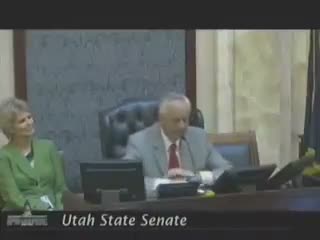
The Utah State Senate adopted interim rules carried over from the 2010 session, confirmed its leadership team and appointed standing committees and session staff during its opening session.
Senator Dayton moved to adopt the 2010 Senate and joint rules with the understanding that adjustments would be considered in coming days; the motion carried on the floor. The President announced the members of the Rules Committee and other committee assignments were read by the clerk. Senator Dayton then moved that the Senate approve the leadership slate selected by the Republican and Democratic caucuses; the body approved the leadership team by voice vote.
To streamline floor procedure, the Senate held a roll-call vote to continue the practice of reading only short bill titles when bills are introduced. The roll call recorded 21 affirmative votes and 0 nays, meeting the constitutionally required two-thirds threshold and suspending long-title readings for the session.
The President presented a roster of session staff — including pages, committee secretaries, the sergeant-at-arms, public information officers, and administrative assistants — and Senator Bramble moved to employ the listed individuals; the motion passed unanimously.
All actions described here were procedural and organizational; bills introduced later in the morning were read for first time and referred to the Rules Committee for assignment to standing committees.
This account is based on the Senate's opening session proceedings as read into the record.