Get Full Government Meeting Transcripts, Videos, & Alerts Forever!
Get email alerts on the Health Care Compact topic
No spam. Unsubscribe anytime.
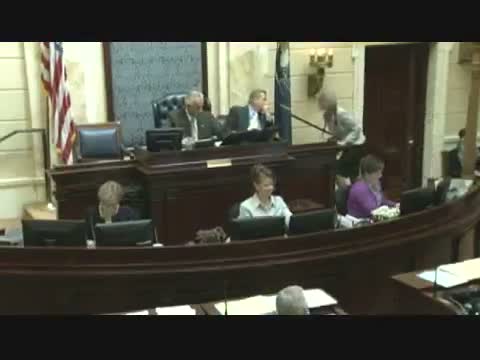
Utah Senate approves interstate health‑care compact after heated debate
Summary
The Utah Senate voted 21–8 to approve Senate Bill 208, authorizing the state to join an interstate compact seeking greater state control over Medicaid and Medicare funds. Supporters said the compact would let Utah shape policy; opponents warned of fiscal risk to seniors and said Congress must still ratify the compact.
The Utah Senate passed Senate Bill 208 on a 21–8 vote after several hours of floor debate, approving legislation that would allow Utah to enter an interstate health‑care compact to pursue state control of certain federal health dollars for Medicare and Medicaid programs.
Senator Stuart Adams, the bill’s sponsor, told colleagues the compact “allows us to get in the game” and argued Utah can manage funds more efficiently than Washington. He said the compact requires congressional ratification before it takes effect and noted the measure includes safety provisions the sponsor proposed earlier, including a withdrawal process and a suggested five‑year sunset.
Opponents described the compact as risky. Senator Howard Jones said he remained “very concerned” and warned the compact could cost Utah more in taxes or reduced services for seniors. Senator Sanjay Robles said the measure represented an “irresponsible” fiscal gamble that could force state lawmakers to make large policy trade‑offs in a short legislative session if federal support were reduced.
Several senators pressed the sponsor on details the bill does not fix. Senator Romero noted the compact’s timing, the absence of a definitive list of partner states and the potential for unchecked residential and commercial growth tied to interconnect proposals referenced elsewhere in the day. Senator Osman asked whether the compact’s funding mechanism would begin only after congressional approval; the sponsor confirmed congressional consent is required for implementation.
Adams and supporters said the compact offers Utah a chance to shape national policy by joining other states and to preserve local control. Adams pointed to prior Utah efforts where early action helped create legal standing for multi‑state litigation and urged colleagues not to be “on the caboose” as other states moved forward.
After the final roll call, the Senate recorded 21 yeas and 8 nays and forwarded the bill to the House for consideration. Because the compact depends on congressional ratification to take effect, proponents and opponents said further deliberation and coordination with other states will determine the compact’s ultimate impact.