Get Full Government Meeting Transcripts, Videos, & Alerts Forever!
Get email alerts on the Education Engagement topic
No spam. Unsubscribe anytime.
Resolution asking lawmakers to report classroom visits fails after long floor debate
Summary
A resolution urging legislators and the State Board of Education to log classroom visits and spend set hours observing education practices failed after extended debate over logistics, reporting burdens and rural implementation concerns.
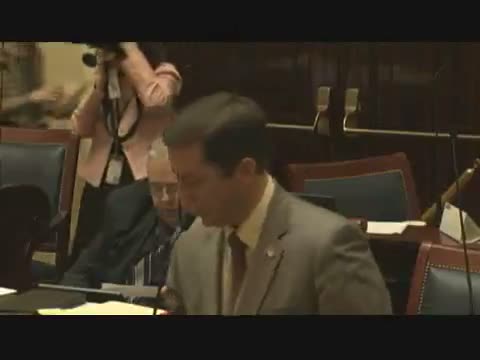
Senate Joint Resolution 26, which would have encouraged members of the Legislature and the State Board of Education to spend designated hours visiting classrooms and to report details of those visits on a public website, failed on a floor vote after an extended series of amendments and debate.
Sponsor Senator Osman said the measure was meant to strengthen the legislature’s engagement with public education and to document observations for public transparency. "I have had the opportunity to discuss with members of this body, with the governor, with various organizations and concerned citizens relative to the common core," Osman said while explaining the impetus for clearer legislative engagement, emphasizing careful review of the substitute language.
Opponents and several rural‑area senators pressed practical concerns. Senators objected that recommended time commitments (described on the floor as totaling up to 32 hours under some amendment packages) would impose substantial burdens on a part‑time legislature, that the required reporting repository could discourage visits, and that implementation could create fiscal notes or administrative tasks for the State Board.
The floor considered multiple amendments: one to broaden the kinds of institutions visited (applied‑technology colleges, private schools, homeschools); another to add teacher fact‑sheets and a small randomized teacher participation pilot; a separate amendment to allow parents to suggest classes for observation; and an amendment aimed at ensuring the resolution be implemented wholesale rather than piecemeal. Some amendments passed; others failed. On final passage the resolution received 8 yea votes and 21 nay votes and was filed.
Outcome and next steps: The resolution is failed and no reporting requirement was imposed. Sponsors urged continued informal engagement with schools but acknowledged the need to refine any future proposal to account for rural logistics, reporting burdens and potential costs.