Get Full Government Meeting Transcripts, Videos, & Alerts Forever!
Get email alerts on the Autism Pilot Hb272 topic
No spam. Unsubscribe anytime.
Senate approves two‑year autism pilot and intent language after extended debate
Summary
The Utah Senate approved fifth substitute House Bill 272, a two‑year pilot to study early intervention treatments for children with autism, voting 21–8 after extended debate over cost, scope and eligibility. The bill funds up to about 350 children through a mix of PEHP, an autism treatment fund and Medicaid.
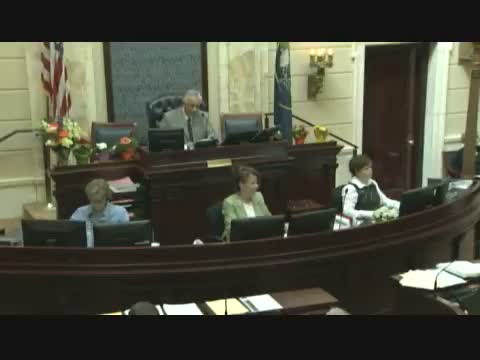
The Utah Senate passed a two‑year pilot program to study early intervention for children with autism when it approved fifth substitute House Bill 272 on March 8, 2012. The measure passed on a roll call vote, 21 to 8, and was placed at the top of the third‑reading calendar by the Senate before being returned to the House for further action.
Supporters said the pilot is narrowly drawn and aims to answer whether early treatment can improve outcomes while reducing long‑term costs to schools and social services. Senator Bramble, the bill sponsor, told colleagues the measure “sets up a 2 year pilot program to deal with, autism,” and described the bill’s funding structure as a combination of the autism treatment restricted account, participation by PEHP and Medicaid enrollment slots.
The bill and its accompanying intent language specify enrollment and time limits: proponents said the pilot would serve about 350 children overall, with program slots split roughly as “about 50 under the PEHP portion, about a hundred under the autism treatment fund, and about 200 under Medicaid.” Senator Christiansen’s intent language requires that enrollment prioritize diagnosed need and that enrollment end on 01/01/2014 so the study yields an evaluable outcome.
Senators who supported the bill emphasized early intervention and evidence. Senator Weiler said he had been convinced by parents and experts that ‘‘we're going to deal with these children either on a preventative basis, ages 2 to 6...’’ and urged the chamber to approve a focused, time‑limited study rather than avoid action.
Opponents warned the pilot could be a foothold for a long‑term program and questioned whether the state can afford it amid other budget pressures. Senator Hilliard, the Appropriations chair, noted the emotional pull of the issue but cautioned that ‘‘pilot programs do not end’’ and raised concerns about moving ongoing dollars into a new program; other senators cited the bill’s $6,000,000 appropriation figure in arguing the state must weigh tradeoffs with other services.
The Senate also included technical and limiting language during debate: amendments clarified that the pilot cannot be counted as a statutory mandate for coverage and that it should not be rolled into essential benefits, and sponsors agreed explicit selection protocols and enrollment caps be in place before the program begins.
The vote closes a contentious floor debate in which supporters argued early treatment can be both humane and fiscally prudent and opponents warned of long‑term budget commitments. The bill now returns to the House for concurrence on the Senate changes and any final enrollment or funding adjustments.
What happens next: the measure will be returned to the House for further action and any final enrollment/fiscal details required before implementation will be worked out in follow‑up steps.