Get Full Government Meeting Transcripts, Videos, & Alerts Forever!
Get email alerts on the Education Administration topic
No spam. Unsubscribe anytime.
Senate Advances Major Education Reform Tying Administrator Pay to Evaluations
Summary
First Substitute SB64 passed second reading after extended debate; the bill requires annual administrator evaluations, public reporting of employee performance distributions, a 120-school-day remediation timeline, and tying up to 15% of future administrator compensation to performance. Sponsor Sen. Osman pledged to work with stakeholders on remaining concerns.
Salt Lake City — First Substitute Senate Bill 64, a sweeping package that refocuses accountability in Utah public schools on administrators’ performance, cleared second reading in the Utah Senate after several hours of debate and amendments.
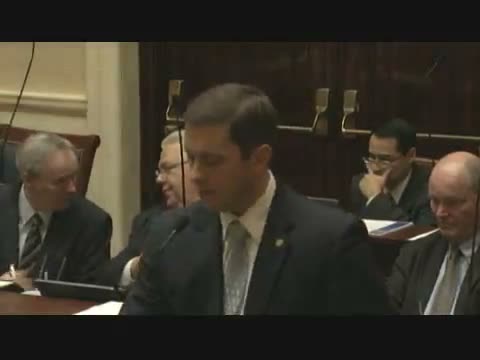
Senator Osman, the bill’s sponsor, told colleagues the measure is intended to shift attention from only evaluating classroom teachers to measuring school leadership. “This bill represents what Senator Osman believes is the right thing to do for public education reform,” he said in presenting the bill and described traveling the state to consult educators and stakeholders.
The bill requires annual evaluations of school and district administrators using three core components: feedback from managers, teachers and parents; student progress indicators; and administrators’ competence and consistency in completing teacher evaluations. It directs the State Board of Education to adopt rules that set required components while allowing districts to select valid, reliable tools.
Key provisions included in the version passed by the Senate on second reading:
- Public reporting: districts must disclose annually the number of employees placed into each of four performance levels. - Remediation timeline: once notified of poor performance, districts have 120 school days to remediate or remove an employee; repeat poor performance within three years could trigger immediate summative action up to termination. - Compensation link: future increases for administrators will be converted to pay-for-performance until as much as 15% of an administrator’s total compensation is tied to evaluation results; the sponsor said the bill does not appropriate new funds but converts future raises into performance pay.
Supporters argued the bill fills a gap in accountability. Sen. Jones said the measure reflected broad stakeholder input and could persuade the public to support targeted funding if money is directed into classroom improvements. Sen. Okerlund said the sponsor had done "homework" and that the proposal represented sweeping but necessary changes.
Opponents and questioners raised procedural and substantive concerns. Sen. Valentine pressed whether the bill allows midyear termination when the statutory remediation period can conclude midcontract; Sen. Osman confirmed the 120-day timeline could, in practice, result in midyear termination. Sen. Stevenson and others warned against evaluation inflation by administrators who might rate all teachers highly; Sen. Osman said the bill counters this by evaluating administrators on the quality of their evaluations and by public reporting of distributions.
Sen. Niederhauser asked about the balance of state and local control; the sponsor pointed to language that instructs the State Board to "establish the required components and allow optional components" and to work with local districts to implement methods and timelines.
Sen. Morgan urged that the sponsor identify measurable outcomes and time frames to judge whether the reforms actually improve student learning. The sponsor and other senators said the bill is intended to create the evaluation framework; the ability to measure outcomes will increase with planned adaptive testing and data systems.
Sen. Osman pledged to work with colleagues and outside groups after second reading: he said he will "circle" the bill for further amendment and consult parties that want additional input before final passage.
Action: The Senate voted to place the first-substitute bill at the bottom of the third-reading calendar after the second-reading passage (vote recorded on the floor). The text adopted on second reading includes amendments addressing the role of the State Board, the timeline for remediation, and public reporting requirements.
What’s next: The sponsor said he will hold the bill for amendment and work with stakeholders — including charters and associations that raised concerns — before moving the measure to final passage.
Provenance: Discussion and sponsor presentation on the floor (topic intro SEG 1340; topic finish SEG 2675).
Speakers quoted or cited in this article are drawn from the floor debate and include only persons identified by name in the transcript.