Get Full Government Meeting Transcripts, Videos, & Alerts Forever!
Get email alerts on the Education Reform topic
No spam. Unsubscribe anytime.
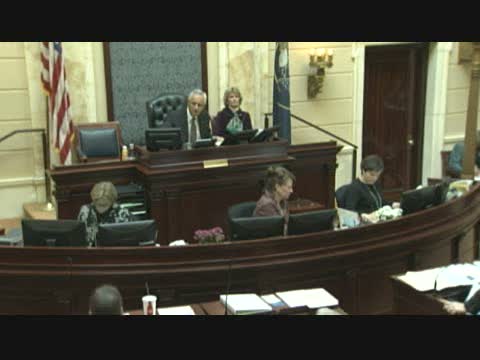
Senate amends and passes wide-ranging education employment reform after hours of debate
Summary
S.B. 64, a major education reform bill focused on administrator and teacher evaluation, student-learning growth measures, and compensation access, passed after multiple floor amendments that sought to balance parental input, local control, and protection of the 'steps and lanes' salary structure.
Senator Osman led floor consideration of first substitute S.B. 64, a comprehensive education-employment reform package that revises evaluation systems for administrators and teachers, ties compensation access to performance, and introduces new timelines for remediation and personnel actions.
The bill’s supporters described it as an administrative modernization that focuses accountability on school leadership and aligns evaluation practices statewide. Opponents and amendment proponents raised concerns that some proposed language would make student-learning growth the "most" significant factor in teacher evaluation and that changes could jeopardize existing step-and-lanes compensation mechanisms.
Senator Adams offered a substitute amendment intended to add guardrails, including language to make student-learning growth "a significant factor" rather than "the most" significant factor and to protect local control and stability for step-and-lane pay structures. That substitute failed, and the Senate ultimately adopted amendment 3 (as revised), which contains negotiated language addressing a number of outstanding concerns. Senator Osman emphasized the collaborative nature of the reforms and the wide participation of public-education stakeholders in crafting the changes.
On final passage the bill received 26 yeas, 2 nays and 1 absent and will be forwarded to the House for consideration.
Why it matters: S.B. 64 alters evaluation and compensation mechanics for educators and administrators across Utah, with likely downstream effects on contracts, district evaluation systems and educator pay ladders. The debate underscored tensions about local control, parental input and the role of student-growth measures in performance evaluation.
What happens next: The bill will proceed to the House; sponsors and education agencies will need to produce implementation guidance and instrument standards for evaluations should it reach final enactment.