Get Full Government Meeting Transcripts, Videos, & Alerts Forever!
Get email alerts on the Agricultural Protection topic
No spam. Unsubscribe anytime.
Senate amends agricultural-protection law to shift veto power to elected officials, sparking debate
Summary
The Senate advanced first substitute SB86 to remove veto authority from an appointed Agricultural Protection Board and vest final condemnation decisions with elected county officials; sponsors said the change restores accountability, while other senators warned of potential conflicts of interest, diminished landowner protections and the need for an ombudsman review.
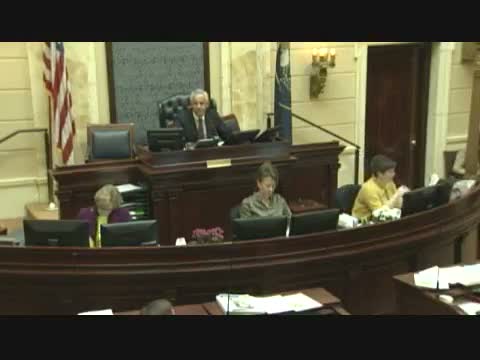
The Utah Senate on Feb. 22 advanced first substitute SB86, a bill that alters the role of the Agricultural Protection Board in county condemnation proceedings and related decisions.
Sponsor Senator Bramble described the bill as restoring accountability to elected county officials. "If a board has taxing authority, then they have to either be made up of elected officials or they have to be elected," he said, arguing that condemnation and decisions that affect property rights should rest with the officials who stand for election.
Senator Valentine moved an amendment to split the bill’s effective date so the change would not affect pending condemnation proceedings (he cited an ongoing matter in Utah County/American Fork). The amendment was adopted. Debate on the floor focused on whether the bill would expose landowners to condemnation or pipeline/road encroachment without sufficient notice and whether conflicts of interest could arise where a county commissioner also sits on a condemning entity. Senator Dayton asked whether the proposed change would undermine protections created when agricultural-protection zones were established; Senator Bramble said the change would revert authority to the earlier regime that had vested authority with elected officials and suggested adding ombudsman review as a possible friendly amendment on third reading.
Supporters said the bill retains the agricultural-protection board as part of the process but makes its role advisory; sponsors also described added protections for property owners on legal-fee exposure should condemnation proceed. Opponents urged caution and recommended further study in the interim on some points relating to notice and potential partial takings.
The Senate reported the first-substitute bill as having received 21 yay votes and 7 nay votes (1 absent); it was placed at the bottom of the third-reading calendar for subsequent action.