Get Full Government Meeting Transcripts, Videos, & Alerts Forever!
Get email alerts on the Veterans Education topic
No spam. Unsubscribe anytime.
Utah Senate rejects proposal to fill tuition gaps for veterans who exhaust Post-9/11 GI Bill benefits
Summary
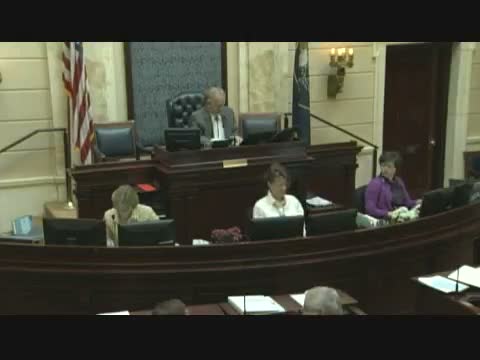
First substitute Senate Bill 44, which would have provided state tuition coverage for veterans who exhaust Post-9/11 GI Bill benefits and maintain satisfactory academic progress, failed on a floor roll call after senators debated funding priorities and whether the policy would reduce incentives for timely completion.
First substitute Senate Bill 44, presented by Senator Robles, proposed that the state provide tuition gap coverage for veterans who have exhausted their Post-9/11 GI Bill benefits but remain in satisfactory academic progress toward a degree. Supporters said the policy would help veterans close a final gap and reach graduation; opponents warned it could remove urgency to complete credits within the GI Bill time frame and raised concerns about funding and the bill's priority relative to other programs.
Senator Jason Dayton said he had spoken with veterans who feared the policy would reduce the incentive to finish within existing benefit periods and called the bill "not a priority for the veterans community." Senator Knudson, citing conversations with the adjutant general of the Utah National Guard, said the proposal was not a recruitment priority for the Guard and emphasized budget constraints. Senator Romero urged colleagues to vote on the bill's policy merits and noted that prioritization and funding decisions could come later.
After debate and a roll-call vote, the Senate recorded 11 yeas, 14 nays and 4 absences; the measure failed and will be filed according to chamber practice. Sponsors stressed the bill's intent to assist veterans near degree completion; opponents emphasized fiscal limits and potential unintended consequences for veterans' education incentives.
The floor debate focused on policy trade-offs—helping individuals finish degrees versus state fiscal priorities and signals to veterans about the intended timeframe of federal GI benefits. There was no floor action to send the bill to interim study; the vote was a final passage attempt on the floor during this session.
The Senate will file the bill consistent with the failed passage outcome; supporters may seek alternative funding mechanisms or prioritization in later processes.