Get Full Government Meeting Transcripts, Videos, & Alerts Forever!
Get email alerts on the Military Tax Exemption topic
No spam. Unsubscribe anytime.
Senate approves constitutional amendment to ask voters about tax relief for active-duty military
Summary
After debate on cost and scope, the Senate passed a constitutional amendment package (SJR 8) and a companion bill directing a possible property-tax abatement for Utah residents on federal active-duty service; SJR 8 passed by recorded vote and will go to the House and, if approved, to voters.
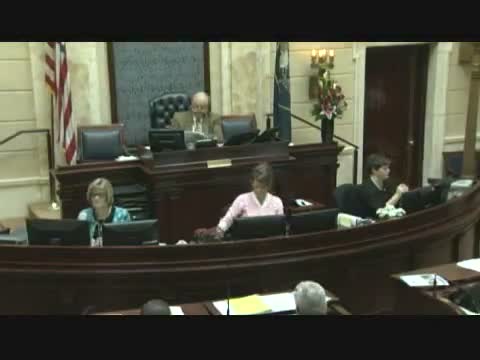
The Utah Senate on Feb. 14 advanced a package of measures aimed at providing property-tax relief for Utah residents called to federal active duty. Senator Robles presented third-substitute SJR 8, a joint resolution to place a constitutional amendment on the ballot that would allow a property-tax abatement for individuals on federal active duty for more than 200 days in a year.
Robles framed the measure as a targeted policy to defer some of the financial burden on modern military families and said it would let voters decide: “Everyone, every citizen in the state of Utah will get a chance to vote on this constitutional amendment in November,” he said. He also noted the fiscal note associated with placing a constitutional amendment on the ballot (reported in the debate as approximately $14,700 to put the question before voters).
Senator Jenkins objected to the proposal’s fiscal and equity implications, arguing the state already provides many benefits to service members and cautioning against further erosion of the tax base: “We give them all kinds of breaks… and now you want me to pay for their taxes on their primary residence,” Jenkins said in opposition.
Senator Romero and others countered that the constitutional amendment asks the public to decide a policy trade-off and that the change is intended to relieve hardships when service members deploy. The Senate conducted a roll-call vote and, after clarifying a late vote change, recorded the final tally as 24 aye, 4 nay and 1 absent; the resolution passed and will be transmitted to the House for further action.
A companion bill that would implement policy language if the amendment is approved — First Substitute SB 116 — also passed the Senate on the same day by recorded vote and will be sent to the House.
Next steps: SJR 8 must also clear the House and, because it is a constitutional amendment, ultimately be approved by voters on the ballot for the change to take effect.