Get Full Government Meeting Transcripts, Videos, & Alerts Forever!
Get email alerts on the Military Families topic
No spam. Unsubscribe anytime.
Senate approves limited unemployment benefits for military spouses after extended debate
Summary
After extended debate over precedent and administrative burden, the Utah Senate passed House Bill 263 allowing certain military spouses who voluntarily leave employment to follow an active-duty spouse and claim unemployment benefits; the vote was 23–6. Sponsors said only a small number would use it and costs would be absorbed by the unemployment fund.
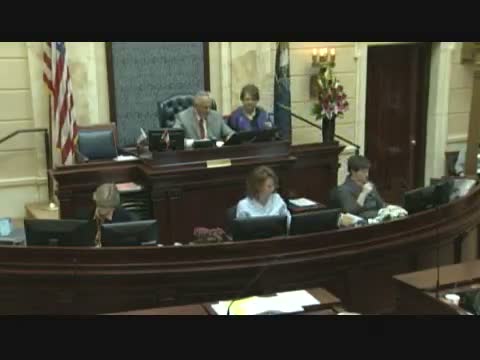
The Utah Senate on day 25 passed House Bill 263, a measure that allows spouses of active-duty military members who voluntarily leave employment to follow their spouses’ military assignments and receive unemployment benefits in certain circumstances. The bill passed 23–6 and will be returned to the House for further action.
Sponsor Senator Maine said the change would help families stay together when a service member is transferred out of state and that only a handful of people would use the benefit in any given year. “This is just a little help,” Maine said, arguing that the unemployment fund has sufficient reserves and that the measure reflects support for military families.
Opponents raised questions about precedent and administration. Senator Anderson asked whether the proposal would expand unemployment eligibility for people who voluntarily quit, and urged caution; Anderson said she had spoken with military family members who would not file claims after quitting. Senator Jenkins pressed staff on operational practicalities, including federal limits on tracking individuals who move overseas and the added workload for the Department of Workforce Services, noting staff estimated they might have to phone roughly 30–35% of claimants to verify claims.
Sponsor Maine and other supporters said existing code and benefit rules would govern eligibility and charge classification. The sponsor indicated that under the bill benefit costs for qualifying separations would be treated as social costs borne across employers rather than charged to (and raising premiums for) the individual employer. Several senators framed the bill as both a moral support measure and a modest, quantifiable benefit for military families.
Senators asked for clarifications about timing and eligibility thresholds during floor discussion; the sponsor and other senators repeatedly referred to existing code and administrative practice for detailed implementation. After debate, the chamber voted in favor: 23 yeas, 6 nays, 0 recusals, and the bill was signed by the President in open session and sent back to the House.
The next procedural step is House consideration of the Senate’s action and any technical enrollment steps required before final enactment.