Get Full Government Meeting Transcripts, Videos, & Alerts Forever!
Get email alerts on the Health Policy topic
No spam. Unsubscribe anytime.
Senate approves bill requiring funding analysis for future health‑insurance mandates after recorded vote
Summary
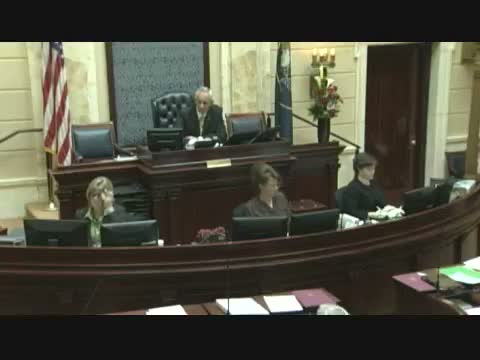
After floor debate, the Senate passed the first substitute of SB 138, which would require the state to determine and appropriate funding for the cost to higher education and public education of future health‑insurance mandates; the substitute passed 22–5 on a recorded roll call.
The Utah Senate approved the first substitute to Senate Bill 138 on Wednesday following floor debate over its scope and fiscal implications.
Sen. Weiler moved the first substitute. Sponsor and proponents argued the measure ensures accountability by requiring the state to impose on itself the same fiscal consequences it would place on private entities. Senator Wyler cited support from the Association of School Boards and said the measure provides transparency: "It provides that before we enact an insurance mandate, the state shall determine its cost and appropriate the money for its cost," he said.
Opponents urged consideration of mandates on a case‑by‑case basis. Senator Osman said she would vote no, explaining she preferred to address each potential mandate individually, and noted concerns about adding this broad mechanism to statute. "I am just uncomfortable still with the fact that we're doing this right now," Osman said. Senator Romero also said he would vote no and argued institutions should have the option to respond to market conditions rather than face a statutory requirement at this time.
Senate staff reported the bill itself carried no fiscal note, but sponsors noted that if future health‑care mandates pass, fiscal notes for those mandates would attach to the individual measures.
The Senate recorded the first substitute’s passage as 22 yeas, 5 nays, and 2 absent; it will be forwarded to the House for consideration.
Why it matters
The bill is procedural but shifts accountability: it would require the state to identify and appropriate funds for the cost of future health‑insurance mandates on public and higher education institutions, potentially affecting budgeting for state colleges and K‑12 institutions.
What’s next
The first substitute will be transmitted to the House. Floor debate and the roll call vote indicate the measure attracted enough support to move forward but also substantive opposition that could inform House consideration.