Get Full Government Meeting Transcripts, Videos, & Alerts Forever!
Get email alerts on the Health Insurance Mandates topic
No spam. Unsubscribe anytime.
Senate approves bill requiring fiscal accounting for new health-insurance mandates
Summary
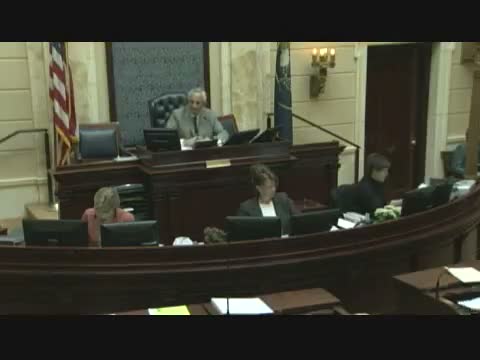
The Utah Senate approved first-substitute SB138 to require that new state-level health-insurance mandates apply to state employees and that their fiscal impacts on public education and higher education be estimated and funded; the measure passed the Senate (21–8) and moves to the third-reading calendar.
Senators voted to advance first-substitute Senate Bill 138, a bill designed to make the fiscal impacts of future health-insurance mandates transparent and to require the state to bear associated costs for public employees.
Senator Scott Weiler, sponsor of the bill, told colleagues that SB138 would extend any mandate enacted after Jan. 1 of the session to state employees and ensure a fiscal note reflects the cost to public and higher education. He said the change is intended to protect small businesses and avoid offloading mandate costs onto schools and colleges without accounting for budget impacts.
The bill drew robust floor debate. Supporters — including Senators Valentine, Madsen and Stevenson — said the measure enforces fiscal discipline: ‘‘There is no free lunch,’’ Senator Valentine said, arguing that if the Legislature requires coverage, it should pay for it. Senator Stevenson said the bill forces lawmakers to ‘‘count the costs’’ and be transparent about trade-offs with classroom funding.
Opponents warned SB138 could be used to impede or kill specific mandates by raising fiscal notes. Senator Mike Christensen said the bill risks creating a ‘‘backdoor’’ excuse to block mandates, particularly bills aimed at covering therapies for autism; he and Senator McAdams said each mandate should be judged on its merits rather than preemptively burdening it with extra fiscal obligations. Others, including Senator Romero, said they agreed with the principle but objected to the timing because several autism-related proposals were pending in the House and advocates sought a fair hearing.
Senator Weiler said SB138 does not itself appropriate funds but would require that any subsequent mandate enacted for public-education or higher-education employees include appropriations to cover those added costs. He cited support letters from the Utah School Boards Association, Utah School Superintendents Association and Utah Association of School Business Officials noting the groups’ desire for transparent cost estimates.
After debate and summations, the Senate placed the first substitute of SB138 on the third-reading calendar; the substitute passed by a roll call of 21 yeas and 8 nays. The Senate record shows the measure will now await a final third-reading vote and any House action.
The most immediate procedural next step is third reading on the Senate calendar; the bill’s fiscal and policy implications are likely to shape floor debate on any pending or forthcoming mandate bills this session.