Get Full Government Meeting Transcripts, Videos, & Alerts Forever!
Get email alerts on the Public Health topic
No spam. Unsubscribe anytime.
Senate advances substitute bill clarifying uses and priority of tobacco settlement funds
Summary
First substitute SB 106 clarifies statutory treatment of enforcement and administrative uses of the Tobacco Settlement Account and places certain enforcement appropriations (attorney general, State Tax Commission) as priorities; senators discussed deleted legacy language and sponsor offered follow-up with GOPB staff.
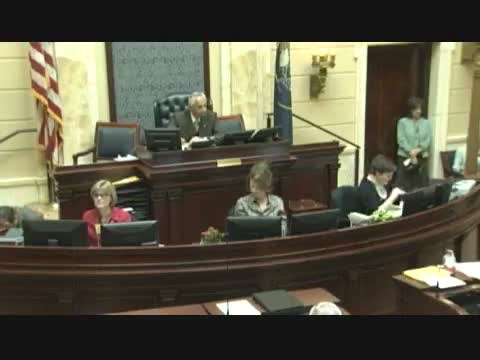
The Senate moved first substitute Senate Bill 106 forward after floor debate clarifying how the Tobacco Settlement Account is administered. Senator Hilliard explained the substitute inserts into statute the longstanding practice of using restricted tobacco-settlement funds to pay attorney-general enforcement costs and a small enforcement allocation for the State Tax Commission.
“The intent of the bill is not to change any of that,” Senator Hilliard said, describing the measure as codifying practices the state has followed for a decade. He said amounts used by the attorney general and in enforcement historically came from restricted funds and that the substitute establishes the appropriation priorities in statute and sets an effective date of July 1, 2012.
Senators asked why legacy language that directed a specified annual amount to the Department of Health for prevention work had been deleted. Hilliard replied the governor’s budget office recommended removing outdated language; he offered to bring GOPB staff to follow up and said he would reinstate text if concerns remained. The substitute was read for the third time after a recorded vote registering 25 ayes and 0 nays on the substitute; later floor action placed the bill on a third-reading calendar for final passage.
Senators noted litigation by tobacco companies alleging inadequate enforcement; the sponsor said codifying enforcement funding priority demonstrates the state’s commitment to enforcement.