Get Full Government Meeting Transcripts, Videos, & Alerts Forever!
Get email alerts on the Legislation topic
No spam. Unsubscribe anytime.
Utah Senate clears a broad set of bills including property-tax, adoption and transparency measures
Summary
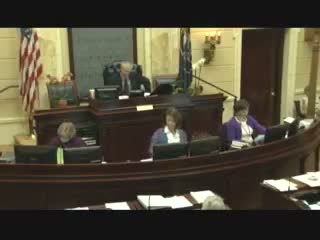
On a busy floor day the Utah Senate passed multiple bills spanning eminent domain, property tax, adoption-agency revisions, open-records posting and more. The session recorded roll-call tallies for each passed measure and transmitted them to the House.
The Utah State Senate advanced and passed a large package of bills on a floor packed with substantive votes ranging from property-tax changes and adoption-agency licensing to open-records posting and school-program funding.
Key outcomes recorded on the floor included: • First Substitute House Bill 336 (economic development amendments) — passed (24 yea, 0 nay, 5 absent). Sponsor: Senator Jay Stevenson. • Second Substitute House Bill 111 (eminent domain amendments) — passed (25 yea, 0 nay, 4 absent). Sponsor: Senator Jenkins. • First Substitute Senate Bill 229 (appellate bond amendments) — passed and transmitted to the House (25 yea recorded on the floor). • First Substitute Senate Bill 238 (property-tax amendments) — passed (28 yea, 0 nay, 1 absent). Sponsor: Senator Bramble. • Second Substitute Senate Bill 183 (adoption agency modifications) — passed (28 yea, 0 nay, 1 absent). Sponsor: Senator Robles. • Second Substitute Senate Bill 77 (availability of government information) — passed (27 yea, 0 nay, 2 absent). Sponsor: Senator Henderson. • Second Substitute Senate Bill 151 (charter school authorization adjustments) — passed (27 yea, 0 nay, 2 absent). Sponsor: Senator Adams.
Senators used motions to circle and substitute bills repeatedly to give colleagues time to review changes before final votes. Several bills were amended on the floor before passage; where amendments were adopted sponsors typically summarized the changes before calling for final passage. All passed measures were transmitted to the House for further consideration or signatures as appropriate.
The floor day also included discussion of budget bills (Senate Bills 2 and 7) and multiple circled items that the Senate intends to return to later in the day after caucuses.