Get Full Government Meeting Transcripts, Videos, & Alerts Forever!
Get email alerts on the Healthcare Oversight topic
No spam. Unsubscribe anytime.
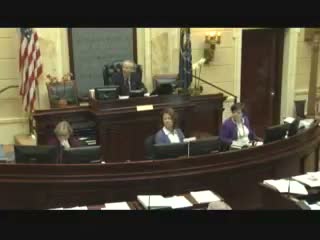
Senate approves independent Medicaid inspector general office after compromise
Summary
The Senate passed a negotiated third substitute of House Bill 106 to create an independent Office of Inspector General for Medicaid services under Administrative Services, with reporting requirements and protections to maintain independence.
The Utah Senate voted to create an independent Office of Inspector General for Medicaid Services, approving a negotiated third substitute of House Bill 106 that sponsors described as the product of compromise among the governor’s office, House and Senate members and the current inspector general.
Senator Evan Bramble, sponsor of the Senate substitute, told the body the measure creates “an independent entity within the Department of Administrative Services known as the Office of Inspector General of Medicaid Services.” He said the office would be independent operationally — with administrative services providing payroll and facilities support only — and that the inspector general would report to the speaker, the Senate president and the governor. The substitute sets a term structure for the inspector general and a governor-appointed, Senate-confirmed appointment process for future IG terms.
Senator Bramble said the bill preserves independence while addressing operational needs; several senators who participated in the negotiations praised the compromise. Following a motion to suspend the constitutional three-reading requirement, the Senate passed the third substitute by recorded vote; the clerk recorded 28 yea votes on final passage. The bill will be transmitted to the House for its further consideration.
Supporters said the structure balances oversight independence and accountability; the Senate debate emphasized negotiated changes and the desire for transparency. Opponents had earlier raised concerns about specific powers and implementation details during committee and floor discussion; the sponsor moved the circled substitute to give colleagues time to read and consider amendments before final vote.