Get Full Government Meeting Transcripts, Videos, & Alerts Forever!
Get email alerts on the Children Health topic
No spam. Unsubscribe anytime.
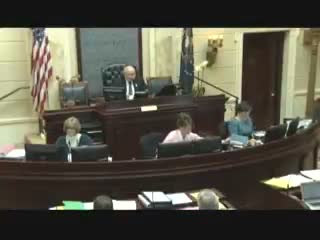
Senate advances $100,000 pilot to provide hearing aids to infants lacking coverage
Summary
Senators debated and moved House Bill 157, a two-year $100,000 pilot program to fund hearing aids for infants and young children without coverage. Supporters emphasized language-development benefits and long-term education savings; critics raised fiscal and Medicaid-policy questions.
The Utah Senate advanced First Substitute House Bill 157, a two-year pilot program authorizing $100,000 to provide hearing aids for infants and young children who lack insurance coverage and meet economic-need criteria.
Senator Osmond, sponsor of HB 157, told colleagues that approximately 106 infants are born each year in Utah with permanent hearing loss; she said about 26 percent have coverage through Medicaid or other insurance, leaving roughly 78 children uninsured. The bill would create a children—s hearing-aid advisory committee under the Department of Health to set medical-need and economic-need criteria and prioritize awards.
Senator Osmond estimated typical high-quality digital hearing aids cost about $2,000 each, or roughly $4,000 per child for bilateral devices, and said the $100,000 appropriation would cover approximately 25 children depending on need. Sponsors argued early intervention before age 3 improves language development and will reduce long-term special-education costs, which they said can be substantial.
Opponents including Senator Christensen expressed fiscal caution, asking whether the state should extend limited dollars to children not covered by Medicaid; supporters responded that the pilot targets uninsured children with demonstrable need and that the program aims to yield educational cost savings over time.
Based on the level of floor discussion, the Senate clerk read the bill for third reading (first substitute moved to third reading) and recorded the roll-call authorization to move HB 157 forward for further consideration. The bill had passed the House unanimously, per the sponsor—s floor remarks.
Next steps include committee or House consideration of the Senate amendments and the advisory committee—s work to set eligibility criteria if the bill advances to final enactment.