Get Full Government Meeting Transcripts, Videos, & Alerts Forever!
Get email alerts on the Health Policy topic
No spam. Unsubscribe anytime.
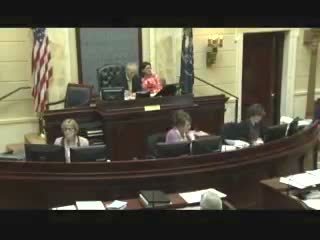
Senate adopts resolution criticizing Affordable Care Act implementation after heated debate
Summary
The Utah Senate passed HCR 10, a concurrent resolution urging action to address the impacts of the Affordable Care Act on state budgets and employers. Debate was lengthy and partisan: supporters cited projected state costs, opponents warned rejecting federal funds would harm residents and jobs.
SALT LAKE CITY — The Utah Senate on March 14 adopted House Concurrent Resolution 10, a statement of legislative concern about the Affordable Care Act’s (ACA) expected effects on the state.
Sen. Adams introduced the resolution, saying it "describes the impact of the federal Patient Protection and Affordable Care Act on families, employers, insurers, healthcare providers, and to the state and urges actions to resolve the continued success of the state-based, healthcare innovation reform." Adams and other supporters argued the measure highlights projected costs and urges the congressional delegation to act.
Opponents, including Sen. Dabakis and Sen. Shiozawa, criticized the resolution’s language and policy direction. Dabakis warned that refusing federal funds could cost Utah "$430 million" and coverage for hundreds of thousands of residents; he called the potential loss of funding and jobs "criminal with a capital C" if the state turned down federally offered resources. Shiozawa said the draft was poorly written and used inflammatory language such as "metastasizes," and questioned the utility of issuing a resolution after the Supreme Court decision settling the law’s constitutionality.
After floor debate, the Senate passed HCR 10 by roll call (19–4, 6 absent). The resolution will be sent to the House for further consideration.
What happens next: The resolution is nonbinding; it expresses the Legislature’s position and urges state and federal actors to take specified steps. Because it is a joint rule/resolution, it will be transmitted to the House.