Get Full Government Meeting Transcripts, Videos, & Alerts Forever!
Get email alerts on the Guns topic
No spam. Unsubscribe anytime.
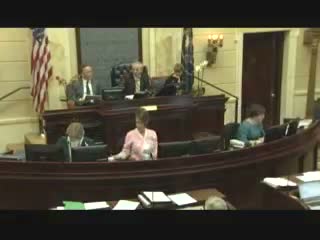
Senate approves concealed-carry change after heated debate over training and background checks
Summary
The Utah Senate passed First Substitute House Bill 76, an amendment on concealed weapon carry, after floor debate about training requirements and background checks. Sponsor Senator Christiansen said the bill protects "honest people" while opponents warned it removes safeguards for public safety.
The Utah State Senate voted to pass First Substitute House Bill 76, a measure addressing concealed-weapon carry, after extended debate on the Senate floor.
Senator Ben Christiansen, the bill sponsor, said the measure does not change who may possess firearms but "simply gives honest people the right to do what they cannot do honestly right now," arguing the change is a constitutional protection for law-abiding citizens. Christiansen also noted that concealed-carry permits in Utah already require "about four hours of sitting in the classroom" but that no hands-on field training is required statewide.
Senator Jim Dabakis opposed the bill on public-safety grounds, saying he believed it "is gonna cost lives" in parts of his district because it lacks mandatory training and background-check provisions. "Background checks are a good thing," Dabakis said, citing polling he said showed strong public support for checks.
Senators questioned the bill's practical effects on training and enforcement. Christiansen responded that open-carry and existing case law already allow many forms of possession without a permit and that the bill does not add requirements for hands-on weapon training. He said the bill would not remove the existing concealed-carry permit classroom requirement.
After a call of the Senate and a period to allow absent members to return, Christiansen moved for final passage. The roll call recorded 21 yeas, 7 nays and 1 absent; the bill passed and was transmitted to the House for further consideration.
The Senate debate also included procedural calls and a short recess while senators returned for the vote. The matter concluded with the recorded tally and the clerk noting the bill would be sent to the House.