Get Full Government Meeting Transcripts, Videos, & Alerts Forever!
Get email alerts on the Domestic Violence topic
No spam. Unsubscribe anytime.
Utah Senate Approves Dating‑Violence Protective‑order Law After Extended Floor Debate
Summary
After hours of debate over definitions, ex parte orders and potential firearms implications, the Utah Senate passed House Bill 50 to allow protective orders for people in dating relationships; sponsors said judges retain discretion and high evidentiary standards remain.
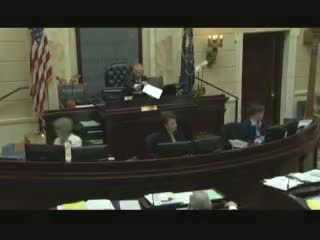
The Utah Senate passed House Bill 50 on third reading after extended floor debate over how the bill defines a "dating relationship" and when a judge may issue a protective order. Senator Mark Bramble, the Senate floor sponsor, said the bill fills a gap between stalking statutes and protections that already apply to cohabiting partners and spouses.
"Abuse means intentionally or knowingly causing or attempting to cause physical harm to a dating partner or placing a dating partner in a reasonable fear of imminent physical harm," Bramble said on the floor, directing senators to the bill's definition as the key limitation on overbroad claims. He told colleagues the statute requires a judge to find a "substantial likelihood" of abuse before issuing an order and that any restriction on firearms would require "clear and convincing" evidence in court.
Opponents pressed several concerns. Senator Madsen warned the standard could be triggered by a single "verbal" incident and said, "I can't support it if it's just 1 verbal statement that rises to this level," questioning whether the statute allowed ex parte orders that would significantly affect an individual's record and rights. Other senators raised worries about the breadth of the dating‑relationship definition, whether the bill would allow orders based on misunderstandings of social relationships, and the lack of an expungement mechanism for protective orders.
Supporters including Senator Urquhart and Senator Hilliard said the court system and existing burdens of proof will limit improper awards. Hilliard, drawing on experience as a defender of protective‑order cases, said courts have become more demanding of evidence over time and that contested orders typically require substantial proof.
Senators also debated whether this measure duplicated existing stalking protections that require two or more incidents; sponsors said dating relationships often involve intimate settings where a single incident can indicate serious risk, and the bill is intended to extend protections available to cohabitants and married couples to dating partners.
The bill passed on a roll call vote (final tally recorded on the floor) and was ordered sent to the House for the Speaker's signature. The Senate record shows multiple recorded nay votes and reservations among members who warned about unintended consequences, but supporters argued judicial safeguards and precise statutory definitions mitigate those risks.
The next procedural step is transmittal to the House for final enrollment and signature procedures.