Get Full Government Meeting Transcripts, Videos, & Alerts Forever!
Get email alerts on the Traffic Safety topic
No spam. Unsubscribe anytime.
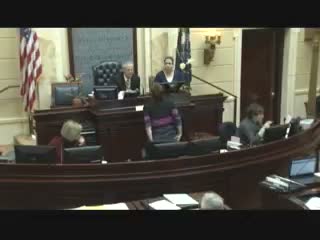
Senate adopts seat-belt bill with warning period and two-year sunset; final passage by one-vote margin
Summary
Senate Bill 114, which makes seat-belt violations on roads 55 mph+ a primary offense (with an initial-warning year and a two-year sunset), passed third reading 15–14 after sponsors cited crash and fatality figures and opponents raised civil-liberties concerns.
The Senate debated and passed Senate Bill 114 after amendments that converted a first-year enforcement phase to warnings and added a two-year sunset for data collection.
Sponsor Senator Robles said the measure moves seat-belt violations on high-speed roads (55 mph and above) from secondary to primary enforcement and that the change targets high-fatality locations; she argued that modest noncompliance is linked to a disproportionate share of fatalities and hospital costs. The sponsor proposed an amendment making the first year a warning rather than a citation, which she said would allow an educational phase-in.
Senator Vickers offered a friendly amendment to add a two-year sunset to the primary enforcement provision so the law could be evaluated after data collection. That amendment passed and the bill drew both support and opposition on civil-liberties and enforcement grounds; Senator Harper warned about practical enforcement challenges at very high speeds.
A roll call produced a close result: Senate Bill 114 received 15 yea votes and 14 nay votes on third reading. Supporters said the measure was a public-safety policy intended to reduce fatalities on high-speed roadways; opponents called for further study or separation of municipal carve-outs and pushed back on increased police enforcement powers.