Get Full Government Meeting Transcripts, Videos, & Alerts Forever!
Get email alerts on the Prejudgment Interest topic
No spam. Unsubscribe anytime.
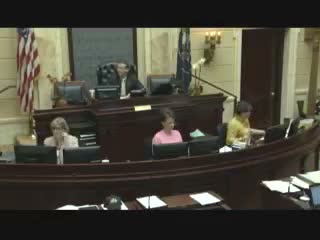
Senate stalls bill to change prejudgment interest rate and trigger after extensive floor debate
Summary
Senators debated a proposal to replace Utah’s fixed 7.5% prejudgment interest with a variable rate tied to prime plus 1% and to change when interest begins; sponsors and opponents urged stakeholder negotiations and the Senate moved to circle the measure for further work.
Senators engaged in an extended debate over First Substitute Senate Bill 212, a proposal to change Utah’s prejudgment interest rule from a fixed 7.5% rate to a variable rate (proposed as 1% above prime) and to alter when interest begins accruing.
Sponsor Senator Oakland said the existing rate is “an outdated interest rate” and argued that moving to a rate tied to prime would reduce what he characterized as a “windfall” to plaintiffs in some cases and better align interest with current market conditions. He also said the bill would change the statute’s trigger date so interest would not necessarily begin from the date of the underlying event in all cases.
Opponents and cautious senators raised several concerns. Senator Thatcher said the bill was “well intentioned” but “not fully thought through” and warned of unintended consequences for injured parties and providers. Senator Hilliard and others urged safeguards so plaintiffs would not be disadvantaged by reduced interest recoveries relative to the interest charged by medical providers.
Several amendments were discussed on the floor. Sponsor and floor managers accepted an amendment (described on the record as Amendment 3) that would tie the interest rate to prime but include a floor and ceiling (a proposed floor of 5% and ceiling of 10%) and would link accrual to settlement interactions rather than an automatic trigger at the date of occurrence. Other senators proposed alternative triggers (for example, starting interest when a claimant first incurs out‑of‑pocket loss) and provisions to encourage settlement negotiations rather than immediate litigation.
Given the complexity and the volume of stakeholder input the bill attracted, the sponsor moved to circle the bill for additional work; the motion to circle passed. Floor senators and multiple sponsors emphasized they expected further stakeholder negotiations between second and third reading rather than finalizing the changes on the floor.
What happens next: The bill was circled for further stakeholder negotiation and amendment; no final third‑reading passage occurred during this session.