Get Full Government Meeting Transcripts, Videos, & Alerts Forever!
Get email alerts on the Animal Cruelty topic
No spam. Unsubscribe anytime.
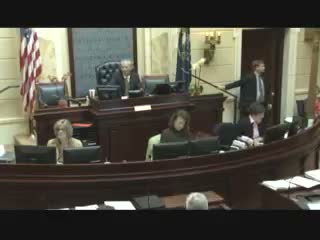
Senate approves felony penalty for cockfighting after amendment to reduce charge fails
Summary
After floor debate and a failed amendment to lower penalties, the Utah Senate voted 19–9 to upgrade cockfighting from a misdemeanor to a felony. Supporters said a felony is needed to prevent the state from becoming a hub for the practice; opponents argued the penalty is too severe.
Senator Davis, sponsor of first substitute Senate Bill 52, told the Senate the measure is intended to make cockfighting a felony in Utah and described graphic evidence of animal cruelty to justify the change. “Utah is just, is one of just 10 states in the nation lacking felony penalties for cockfighting,” Davis said, arguing that stronger penalties would deter gambling and related illegal activity.
Senator Christiansen offered a floor amendment to replace the bill’s language making cockfighting a third‑degree felony with a class A misdemeanor and to preserve provisions for property forfeiture. Christiansen said a class A misdemeanor — punishable by up to a year in jail and a $2,500 fine — would be sufficient and warned against sending otherwise nonviolent offenders to prison for the offense.
Supporters of the original bill objected to the amendment. Senator Thatcher, who helped craft the bill’s intent language, said the felony standard was narrowly written to require criminal intent: “If you look at line … it says it is unlawful for a person to own, possess, keep, or train game foul with the intent to engage it in fighting with another foul.” He argued the felony would target organized, deliberate wrongdoing, not accidental or incidental cases.
Senators debated whether a felony would deter illegal cockfighting rings and associated criminal behavior. Senator Dabakis said he viewed the measure as primarily addressing gambling tied to the activity. After debate, the motion to amend failed in a division; the Senate then proceeded to a roll‑call vote on the bill. The first substitute Senate Bill 52 passed 19–9 and will be sent to the House for consideration.
What happens next: The bill advances to the Utah House. No changes to the bill’s effective date were reported on the floor; any future amendment to penalty level or forfeiture would require House action or conference if both chambers pass different versions.