Get Full Government Meeting Transcripts, Videos, & Alerts Forever!
Get email alerts on the Hb44 Polling Transparency topic
No spam. Unsubscribe anytime.
Senate advances HB44 after debate over disclosure rule and First Amendment concerns
Summary
First Substitute House Bill 44 — requiring poll-sponsor disclosure for polls about declared candidates and ballot measures — advanced in the Utah Senate after an amendment and extended debate that included concerns about First Amendment protection and enforcement penalties.
Senators advanced First Substitute House Bill 44 on a roll-call showing 22 "yay," 3 "nay" and 4 absent after debate over whether the measure treads on First Amendment speech and whether its enforcement penalties are sufficient.
The bill, sponsored in the Senate by Senator Dayton, would require organizations conducting polls about declared candidates (or ballot issues already certified to appear) to disclose the organization name and to be a legal entity. The sponsor said the measure aims to create parity with existing disclosure rules for campaign literature.
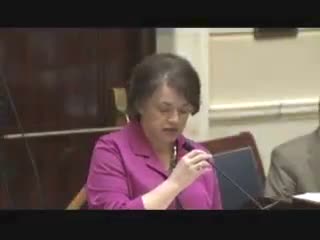
Senator Dayton defended the bill’s transparency goals: "The electorate deserves that," she said, arguing that voters should know who is behind phone polling or surveys directed at declared candidates. Dayton noted the bill carries a $100 fine for individuals and $1,000 for corporations that fail to disclose, and she said the fine mirrors penalties already in the code for candidates who misreport.
Opponents raised constitutional concerns. Senator Bramble objected that when a regulation affects a fundamental right such as speech, the state must show a compelling interest; he said that he had "grave concerns" about imposing restrictions on speech without such a showing. Senator Henderson described the $100 penalty as "a very inexpensive loophole" that might allow bad actors to pay the fine and continue harmful activity.
The Senate adopted an amendment intended to narrow the bill’s scope (limiting coverage to declared candidates or ballot items) and to clarify exemptions for certain call operations. After adoption of the amendment the first substitute was read for a third time and advanced by the roll-call tally recorded on the floor.
What’s next: The bill was advanced on the calendar for further consideration under the rules of the chamber. Sponsors said they are open to future refinements, especially on enforcement amounts and structural loopholes critics mentioned.
Direct quotes in this article are taken from remarks on the Senate floor as recorded in the legislative transcript.