Get Full Government Meeting Transcripts, Videos, & Alerts Forever!
Get email alerts on the Food Safety topic
No spam. Unsubscribe anytime.
Senate passes compromise on food-handler permits, gives state health department approval role
Summary
The Utah Senate passed second substitute Senate Bill 187 on food-handler permitting after hours of debate over whether the state Department of Health should set testing standards or accept nationally certified exams. The bill creates a state bank of test questions while allowing nationally accredited programs to apply for approval and requires a fee-based review process.
The Utah Senate on the afternoon of Day 35 approved second substitute Senate Bill 187, a measure that standardizes the state's food-handler permitting process while allowing nationally accredited testing programs to seek approval.
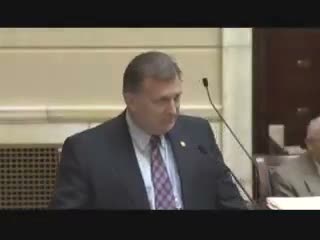
Sponsor Senator Ralph Bramble said the bill was "the best effort at a compromise" between local health officers who want state oversight and national providers such as the National Restaurant Association. The measure authorizes the Utah Department of Health to prepare a bank of questions covering five areas of food safety; training providers who use that bank would be "deemed approved". Providers that prefer to use their own, nationally accredited exams may submit their program and test questions for review and pay a fee, the bill says.
Opponents, led by Senator Jay Stevenson, argued the bill risks decertifying effective national programs and called the measure unnecessary. "I call it this year's hair braiding bill," Stevenson said, saying the state would be imposing a credential not required in most other states and could force national providers to change programs to meet Utah-specific items. Stevenson noted the Utah Restaurant Association opposed the statute as written.
Supporters responded that the bill is not exclusive to any one test and that the state review process would simply ensure state-specific topics are covered. Senator Brown read from a letter by an out-of-state training provider saying "training providers would have the responsibility of ensuring their training meets the assessment objectives" and that no exclusivity was intended.
After further floor questions and technical clarifications about the scope and the fee for alternative-test reviews, the Senate took a roll-call vote on final passage. The clerk announced that second substitute SB 187 received 16 yeas, 11 nays and 2 absences and passed; the bill will be transmitted to the House for consideration.
What happens next: the Department of Health will implement the approval and review processes described in the bill if enacted by both chambers and signed. Providers wishing to use an alternate, nationally accredited exam will need to apply and pay the review fee set by the department.