Get Full Government Meeting Transcripts, Videos, & Alerts Forever!
Get email alerts on the Floor Calendar Votes topic
No spam. Unsubscribe anytime.
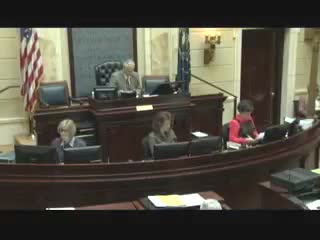
Utah Senate advances a broad slate of bills on Day 24; many pass unanimously
Summary
On day 24 the Utah Senate took up a long consent calendar and advanced numerous measures by unanimous or near-unanimous voice and roll-call votes, including bills on vehicle inspections, fireworks authority, transportation corridor funding and veterans’ and education-related measures.
The Utah State Senate met for its 24th day and moved a large group of bills forward, recording many unanimous or near-unanimous votes on Wednesday.
Among the measures cleared were Senate Bill 185, sent on the consent calendar with a recorded unanimous assent noted on the floor; first substitute SJR 8 (railroad and railroad crossing safety), which the sponsor said would add railroad safety questions to driver licensing tests; House Bill 291 (motor vehicle safety inspection amendments), which Senator Reid said “simply moves the time frame from 6 months to 11 months” for required inspections; and first substitute House Bill 11, which modifies the local transportation corridor preservation fund to permit corridor planning and a revolving loan option supported by a $10 county vehicle-registration fee. Several bills on tax, education and veterans’ issues were also read for third time and advanced to the next step in the process.
Votes were recorded on multiple bills. For example, the presiding officer directed that the recorded unanimous assent for Senate Bill 185 be entered (the chair announced 25 yay votes, 0 nay). House Bill 73 (water easement amendments) was reported as having received 24 yea votes, 0 nay votes, with five senators absent when its passage was recorded; similar near-unanimous tallies were noted on other items.
Many bills were handled on the consent calendar or after brief presentations; sponsors generally waived extended debate and called for the question. The chamber also used voice and roll-call procedures depending on the item.
What’s next: the Senate recessed until 2:00 p.m. for an afternoon session to continue consideration of the legislative calendar.