Get Full Government Meeting Transcripts, Videos, & Alerts Forever!
Get email alerts on the Labor Compliance topic
No spam. Unsubscribe anytime.
Senate advances substitute SB44 to curb worker-owner licensing abuses, cites tax and compliance data
Summary
The Senate moved a first substitute of SB44 to third reading after sponsor testimony and committee support; proponents cited audits alleging misclassified 'worker-owner' entities and unreported income, and the substitute passed the floor vote for third reading (24–0, 5 absent).
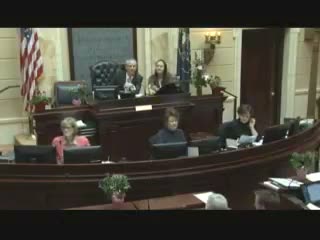
Senators on Feb. 14 advanced a first substitute of Senate Bill 44, legislation designed to tighten oversight of worker-owner licensing models used in construction trades and to close gaps the Department of Commerce and Tax Commission identified.
Sponsor Senator John Maine presented audit findings that the sponsor said showed extensive abuse: discrepancies between reported income on entities' internal returns and income reported to the tax commission, inconsistent social-security numbers and indications of unreported income that could have deprived public education of tax revenues. “The commission's research indicated...that only 4,172,814 was reported on the income tax filings of these individuals, leaving 16,372,531 has not been reported as of September 2012,” Maine said, summarizing the department’s findings.
Senators from both sides of the chamber, including committee chairs and the bill’s co-sponsors, described SB44 as a technical but necessary set of changes to prevent circumvention of employment and tax responsibilities. Senator Bramble, noting professional concern about misclassification, called the bill critical to protect employee protections and tax integrity.
The Senate substituted SB44 in title and body and moved the substitute to third reading; the Clerk recorded the first-substitute as having received 24 yea votes, 0 nay votes, and 5 absent.
Next steps: the substitute will be read for a third time and may be considered for final passage on a subsequent floor day. Sponsors said the bill coordinates enforcement among the tax commission, Department of Commerce and other agencies to close identified loopholes.