Get Full Government Meeting Transcripts, Videos, & Alerts Forever!
Get email alerts on the Employment Law topic
No spam. Unsubscribe anytime.
Senate repeals an obsolete 'blacklisting' felony from code after debate over civil vs. criminal remedies
Summary
Lawmakers voted to repeal criminal code sections on 'blacklisting' (preventing a former employee from getting work in the same field), with sponsors arguing the provision is outdated and unenforceable and opponents warning it removes a criminal remedy; the Senate approved the repeal with significant floor debate.
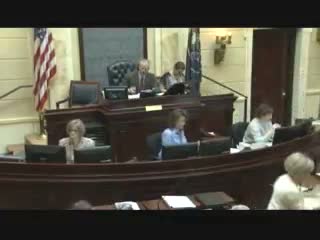
The Utah Senate passed SB 142, which repeals an older criminal prohibition commonly referred to as the 'blacklisting' provision. Sponsor Senator Thatcher argued the statute is archaic, difficult to enforce and that matters causing financial harm are better addressed under civil law. Thatcher said he found no charging history under the statute and contended that civil remedies and existing law already provide redress.
Opponents warned that removing the criminal provision could weaken protections for workers who are deliberately prevented from finding employment; one senator recounted historical examples and urged retention of criminal sanctions. Debate on the floor focused on adequacy of civil remedies versus criminal penalties and whether the statute's language had unintended consequences for common business practices such as non‑compete agreements.
After debate and a sponsor summation, the Senate recorded 20 yeas, 5 nays, 4 absent and approved the repeal. Floor statements stressed that the change does not remove civil remedies and that employers remain subject to civil liability if they cause financial harm to former employees.
Supporters argued the action modernizes the code and removes a legal anomaly; opponents expressed concern that the strongest deterrent would be lost. The enrolled repeal will proceed through enrollment and subsequent steps in the legislative process.