Get Full Government Meeting Transcripts, Videos, & Alerts Forever!
Get email alerts on the Elections topic
No spam. Unsubscribe anytime.
Senate advances bill creating formal election-complaint process, approves amendment
Summary
The Utah Senate moved Senate Bill 11 forward after debate, approving an amendment that changes 'opinion' to 'petition' and voting 26–0 to read the bill for a third time; the measure creates a complaint path to the lieutenant governor (or designee) and allows recommendations for court action in serious election-code violations.
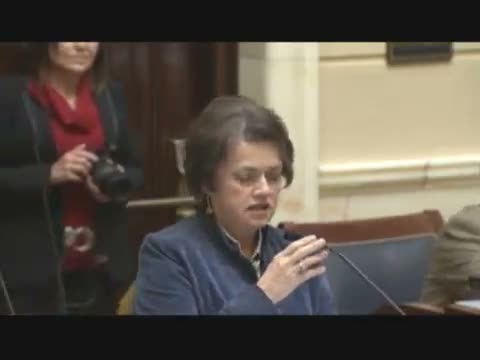
An unnamed senator presented Senate Bill 11, a measure designed to create a formal complaint process for alleged violations of the state election code and to address conflicts of interest among statewide officials. The sponsor said the bill would allow the lieutenant governor—or another designated official when the lieutenant governor has a conflict—to receive complaints and, where a serious violation is found, permit the attorney general or a designee to recommend whether the matter should be addressed in court.
The presenter described the bill’s scope as protecting candidates, officials and the elections process, and said the measure would invalidate the election and remove non-legislative officials found to have committed election-code violations. The presenter emphasized that legislators would continue to be referred to their respective chambers for disciplinary action and that the bill includes an appeals process. "This bill basically does is it complaint, that a candidate or lehi official has violated the election code," the presenter said, outlining how complaints would be handled when offices are conflicted.
During debate the sponsor moved Amendment 1, "which changes 1 word from opinion to petition, which follows along the process that I've outlined." The chamber voted to adopt the amendment.
After summation, the sponsor moved that Senate Bill 11 be read for a third time. A roll-call vote was taken; the clerk announced 26 yeas, 0 nays and 3 absent. The motion to read for a third time carried. The transcript does not record a final enactment vote or enrollment step in this session excerpt.
The bill, as explained in the chamber, aims to create a transparent administrative path for election-code complaints involving statewide officials and to preserve existing legislative disciplinary channels for members of the Legislature. Next procedural steps indicated by the record are the completed third-reading motion and subsequent steps required by Senate rules for final passage and enrollment.