Get Full Government Meeting Transcripts, Videos, & Alerts Forever!
Get email alerts on the Transportation topic
No spam. Unsubscribe anytime.
Senate passes SB 19 to align commercial driver rules with federal code after debate over enforcement
Summary
The Utah Senate approved SB 19, a bill that incorporates federal commercial motor vehicle rules into state law and clarifies treatment of handheld push-to-talk devices; an attempt to remove the federal-reference lines failed after debate over enforcement and federal funding implications.
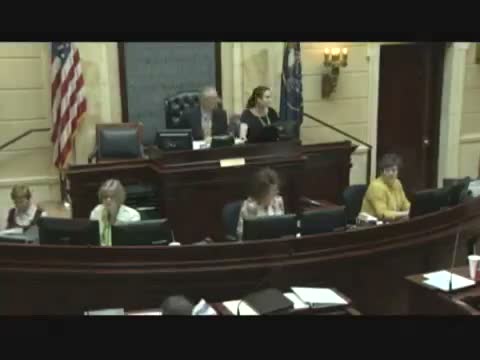
The Utah State Senate on Jan. 30 passed Senate Bill 19, a measure to mirror federal commercial motor vehicle provisions in state law and clarify how handheld push-to-talk devices are treated for drivers operating commercial vehicles. Senator Kevin Van Tassel, who carried the bill, said the amendment clarifies whether two-way or citizen-band radio services are included in the prohibition and helps officers apply the law by tying state text to the federal code.
Senator Scott Jenkins sponsored Amendment 1, explaining that "the purpose of Senate Bill 19 is to mirror the federal code and put it into our state code" so officers and troopers know how to enforce the rule. Jenkins said the change is intended to remove ambiguity about whether push-to-talk phones used by some drivers are legal.
Senator Curt Thatcher moved to delete the lines that reference the federal code — arguing that including federal provisions in state statute would create "a new crime in the state of Utah" without the state having independently debated it — but that deletion failed on a floor ruling after senators warned of consequences. Senator Van Tassel and others said removing the federal cross-reference could jeopardize federal audits and tied highway funding, with Van Tassel noting federal dollars are implicated.
After debate, Van Tassel moved passage of SB 19 "as amended," and the clerk announced the result: "SB 19 having received 26 yay votes, 0 nay votes, 3 being absent, passes" and will be sent to the House. The Senate record shows the amendment was adopted earlier in the discussion and the deletion motion was defeated.
The bill’s sponsors framed the measure as administrative clarification to aid enforcement and federal compliance; opponents expressed concern about creating a state-level criminal enforcement obligation by incorporating federal language. No additional amendments or implementation dates were specified on the floor.