Get Full Government Meeting Transcripts, Videos, & Alerts Forever!
Get email alerts on the Healthcare Medicaid topic
No spam. Unsubscribe anytime.
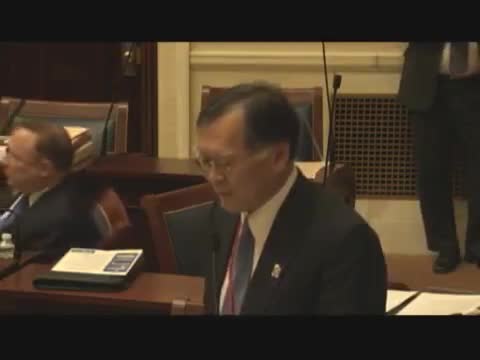
Utah Senate approves first substitute for Medicaid expansion bill after heated floor debate
Summary
The Senate passed a first substitute to SB 251 that preserves legislative oversight and authorizes the governor to seek federal waivers or a block grant to extend Medicaid-style coverage; vote was 19–6 with 4 absent and the measure was sent to the House.
The Utah Senate on the floor approved a first substitute to Senate Bill 251 on a 19–6 roll-call vote, sending the measure to the House for further consideration.
Senator Davis, speaking in favor of broader coverage, argued the state was forfeiting federal dollars and left an estimated coverage gap unaddressed, saying the body had “lost over $9,000,000 in federal funds” and that full expansion would extend coverage to people eligible under the Affordable Care Act. Opponents warned the substitute would constitute a large expansion of entitlement and raised questions about work requirements and long‑term costs.
The first substitute language keeps legislative oversight while authorizing the governor to pursue a federal block grant or negotiated waiver that could fund a program tailored to Utah, including potential premium subsidies, cost‑sharing and individual‑responsibility provisions. Supporters described it as a pragmatic, three‑year pilot to cover a coverage gap and reclaim federal funds; critics said it still posed fiscal and policy risks.
The floor debate included competing substitute motions. Senator Davis argued that federal Centers for Medicare & Medicaid Services (CMS) historically resisted partial expansions and said, “you either cover everyone or you don’t get it,” while the sponsor and backers said the governor had engaged federal leaders and could secure a workable block grant or waiver. The first substitute passed after a series of procedural calls and a final roll call.
Next steps: the first substitute, as approved by the Senate, will be transmitted to the House. Implementation would depend on federal approvals of waivers or a block grant and future legislative action to approve any negotiated package.