Get Full Government Meeting Transcripts, Videos, & Alerts Forever!
Get email alerts on the Education Child Safety topic
No spam. Unsubscribe anytime.
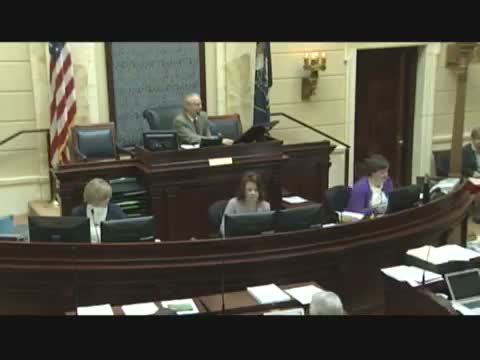
Senate debate splits over child‑abuse prevention instruction; opt‑in amendment fails
Summary
Senators engaged in a lengthy, emotional debate over Second Substitute House Bill 286, which would require notification and parental access to child‑abuse prevention instruction. An amendment requiring written parental opt‑in for elementary students failed; the Senate advanced the bill to third reading (20‑8‑1 for the motion to read).
Senators debated Second Substitute House Bill 286 for an extended period, focusing on whether elementary students should receive child‑abuse prevention instruction only after parents provide written prior consent (an opt‑in requirement) or whether the law should rely on notice with an opt‑out and parental review.
Sponsor Senator Adams described the bill as establishing notification and review rights for parents while allowing schools to provide age‑appropriate instruction. Senator Dayton offered Amendment #6 to require written prior consent for elementary students. Dayton argued the amendment "empowers the parents to work more closely with the schools" and said the change was intended to protect children and increase parental involvement.
Several senators gave emotional remarks about their personal experiences. Senator Osman described his own history, saying, "It was a very devastating experience to me personally," and argued that some families are so overburdened they might miss a notice and that requiring opt‑in could leave vulnerable children unserved.
Opponents of the opt‑in amendment warned that requiring written consent would likely reduce participation among children at highest risk, citing prior committee testimony that many perpetrators can be family members and that opt‑in systems have low uptake. Supporters of the amendment framed their position around parental rights and the primacy of guardians in deciding what is appropriate for their children.
The Senate voted on the amendment and the motion failed on the floor. Senate leadership then advanced the bill toward third reading; the motion to place HB286 for third reading was recorded at 20 yea, 8 nay, 1 absent. The bill will return for third‑reading consideration.