Get Full Government Meeting Transcripts, Videos, & Alerts Forever!
Get email alerts on the Healthcare Informed Consent topic
No spam. Unsubscribe anytime.
Senate narrows informed‑consent rules to allow lifesaving care in emergencies; SB71 passes
Summary
The Utah Senate passed SB71, a narrowly drafted change to informed‑consent law that allows physicians to forgo standard waiting/video requirements when immediate action is needed to save a patient’s life; sponsors said the change is limited to life‑threatening circumstances and is designed to protect clinicians and patients.
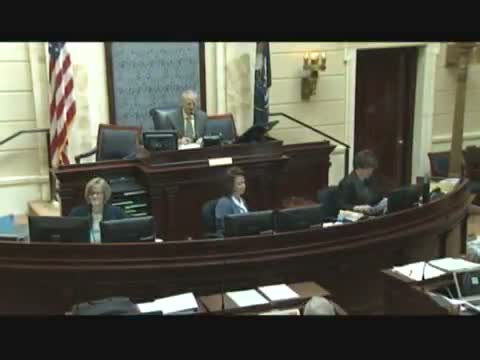
The Utah Senate on Day 39 passed Senate Bill 71, an amendment to the state’s informed‑consent provisions that sponsors say is narrowly tailored to permit medical providers to act without mandatory waiting or related procedures when necessary to save a patient’s life.
Sponsor Senator Harper told colleagues the measure addresses rare but urgent situations "when an abortion needs to be, in order to save the life of the mother" and that some physicians had been forced to delay care by routine waiting periods or mandatory counseling or video requirements. "Sometimes some physicians are choosing to wait the 72 hours, show the video and things like that when it is not necessary," Harper said during floor remarks.
Supporters on the floor emphasized the bill’s narrow scope. Senator H. Stephenson called the language "carefully worded" and said it was crafted not to extend beyond life‑threatening, medically necessary interventions. Several senators praised the sponsor for negotiating language with stakeholders; Harper said the bill had been "very narrowly crafted" to apply only to specific instances.
The Senate suspended the three‑reading rule and moved SB71 to final passage under the rules. The bill passed on final action with no recorded nays and four senators absent, and will be transmitted to the House for consideration.
What happens next: The measure will be delivered to the House for further consideration. Proponents said it is aimed at removing legal barriers that could delay emergency care; opponents did not lodge significant floor objections during this session.