Get Full Government Meeting Transcripts, Videos, & Alerts Forever!
Get email alerts on the Lobbyist Disclosure topic
No spam. Unsubscribe anytime.
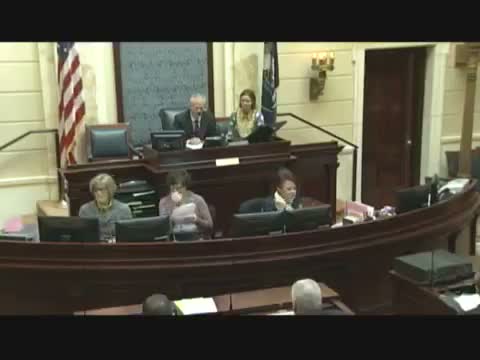
Senate approves third-substitute to lobbyist disclosure bill, requiring reported donated hours in midterm vacancy contests
Summary
The Senate passed the third substitute to SB 97, clarifying definitions of activity and requiring registered lobbyists or principals who donate time to a candidate in a midterm vacancy to disclose those hours; sponsors said the change improves transparency while preserving ordinary civic help.
The Utah Senate approved a third substitute to SB 97, the Lobbyist Disclosure and Regulation Act amendments, after sponsors described technical clarifications and senators asked how the measure treats donated versus paid time.
Senator Weiler, who moved the third substitute, told colleagues the changes were requested in part by the Lieutenant Governor’s office and that the substitute "defines activity and tour and media" and would require a registered lobbyist or principal who is actively engaged in helping a candidate in a midterm vacancy to disclose the number of hours they spend on that effort. "You would not be prohibited from helping your neighbor," Weiler said, adding that the goal is transparency for delegates choosing among candidates.
Senator Jenkins asked whether the requirement forces disclosure when a lobbyist voluntarily helps a neighbor’s campaign. Weiler responded: "That is correct... the delegates who were voting in that special election for the midterm vacancy would be able to see how many hours you contributed." On paid help, Senator Adams asked whether existing payment disclosures would suffice; Weiler said that if a lobbyist was paid and the payment was disclosed, that separate disclosure would generally meet the requirement because the time would not be considered donated.
The floor adopted an amendment that inserts a clarifying word and the sponsor waived summation. The third substitute passed on a roll call (28 yeas, 0 nays, 1 absent) and will be transmitted to the House for consideration.
Why it matters: Sponsors said the change aims to increase transparency about private hours expended by lobbyists in sensitive midterm vacancy contests without criminalizing ordinary assistance. The sponsor and proponents framed the requirement as a targeted disclosure for donated time, not as an overall ban on participation.
What’s next: The bill moves to the House for consideration; ethics and elections observers may monitor implementing guidance and how ‘‘donated’’ hours are tracked and reported.