Get Full Government Meeting Transcripts, Videos, & Alerts Forever!
Get email alerts on the Pursuit Liability topic
No spam. Unsubscribe anytime.
Utah Senate advances amended pursuit‑liability bill after lengthy floor fight
Summary
The Senate moved the second substitute to House Bill 20 through a procedural third‑reading step after hours of debate over immunity for officers during vehicle pursuits. Sponsors said the change narrows liability to suspects who choose to flee; opponents warned it could bar injured third parties from court.
Senators spent a prolonged period debating the second substitute to House Bill 20, a measure that narrows when a person may bring civil claims arising from police vehicle pursuits.
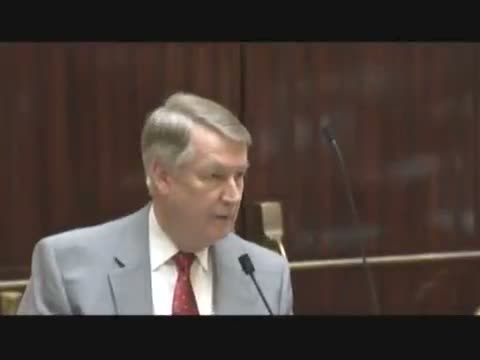
Sponsor Senator Kevin Valentine (Senator Valentine) told colleagues the substitute limits the statutory duty of care in pursuit situations to the individual who voluntarily flees, while maintaining agency pursuit policies and preserving some avenues for federal civil‑rights claims: "If the person was involuntarily in the vehicle… it wouldn’t apply to the baby," the sponsor said when describing involuntary passengers as an exception. Valentine emphasized the intent was to protect officers who comply with agency policies while holding fleeing suspects responsible for the foreseeable risks of evasion.
Opponents repeatedly warned the change could deny injured parties access to courts. Senator Hilliard explained he feared that victims would ‘‘not even get a chance to demonstrate’’ whether an officer violated training, saying the proposal could prevent a finder of fact from assessing alleged misconduct. Multiple senators also pressed whether the immunity would extend to innocent third parties; sponsors repeatedly clarified the substitute is intended to apply only to suspects or those voluntarily fleeing and not to bystanders.
Legal framing featured prominently: supporters noted that federal civil‑rights claims (referred to during debate as "section 1983" claims) remain available in extreme cases, while critics said the bill draws too broad a shield from negligence claims and urged further refinement. Senators also raised procedural and fairness questions about marked vs. unmarked vehicles, and about how the bill would affect liability for agencies versus individual officers.
By voice and roll call, the chamber recorded the support necessary to move the second substitute forward: the clerk announced that the second substitute to House Bill 20 had received 18 yea votes and 11 nay votes and would be read for a third time. The record shows multiple senators offering explanations of their votes on the floor.
The senator sponsoring the substitute said in summation the measure "does not relieve an officer of the responsibility nor of the duty to comply with his agency's pursuit policy," and reiterated that recovery options would remain for many injured people except those who voluntarily fled. After the vote to advance the substitute, the Senate recessed for lunch and scheduled further floor business.
Next steps: the chamber moved the bill to the stage required for final consideration; the transcript records the vote to advance the second substitute, and senators signaled continuing interest in refining limits on liability and in clarifying statutory interactions with federal civil‑rights causes of action.