Get Full Government Meeting Transcripts, Videos, & Alerts Forever!
Get email alerts on the Elections Reform topic
No spam. Unsubscribe anytime.
Senate Concurrence Approves Compromise Elections Bill Creating Signature Path to Ballot
Summary
The Utah Senate voted to concur in a second-substitute to Senate Bill 54, a compromise elections package that preserves the caucus-convention system while creating an alternate signature path to the ballot; the bill passed 21–7 and is returned to the House for the speaker’s signature.
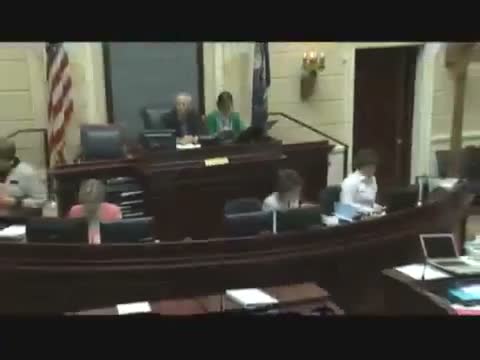
The Utah Senate on March 5 concurred in a second-substitute to Senate Bill 54, a compromise elections bill that creates an alternate signature path to the ballot while preserving the party caucus-convention system.
Senator Bramble, the bill sponsor, told the Senate the substitute strikes a balance between party rights and expanded voter access. Under the measure, a candidate may qualify for the ballot by gathering specified signature thresholds (e.g., 28,000 for statewide office; 7,000 in a congressional district; 2,000 in a state senate district; 1,000 in a state house contest; or 3 percent of qualified voters for certain county seats). The bill also sets criteria for a political party to be eligible for the alternate path, including providing a mechanism for alternate or absentee delegates, allowing unaffiliated voters to participate in the party primary, and accepting a signature-based alternate route.
The sponsor said the filing period is unchanged but that candidates who choose the signature path must file a notice of intent beginning Jan. 1, and cautioned that plurality (the possibility of advancing with less than a majority) remains an unresolved issue to be addressed in a future session.
Opponents from the minority raised concerns that the package primarily benefits majority-party interests and that flat signature thresholds could disadvantage smaller or less-competitive districts. Senator Dabakis argued the bill offers “an alternative to delegates” that effectively circumvents the convention system in some cases. Senator Bramble replied that signatures may be collected from any voter qualified to vote in the party’s primary and noted that party rules govern participation.
Senator Weiner used his explanation of vote to criticize tactics employed by the Count My Vote campaign but said he ultimately voted in favor of the compromise; Senator Jenkins explained a 'no' vote based on his county party’s position. On the recorded roll call, the Senate approved the second substitute 21–7 (1 absent). The bill was ordered returned to the House for the speaker’s signature.
The Senate’s action both preserves elements of Utah’s caucus-convention tradition and creates an alternate avenue intended to increase citizen participation, according to the sponsor. The measure leaves technical questions—most notably how to address plurality and vote-splitting on a primary ballot—for future sessions.
The Senate proceeded to other calendar business after the vote; the bill will advance to the House for final processing.