Get Full Government Meeting Transcripts, Videos, & Alerts Forever!
Get email alerts on the Education Funding topic
No spam. Unsubscribe anytime.
Senate debates plan to equalize school funding by freezing basic property-rate growth
Summary
Senate Bill 111, sponsored by Senator Osman, would freeze the state basic property-tax rate and redirect growth into a state 'growth account' to equalize per-student funding; senators debated local impacts, revenue neutrality and timing before advancing the bill to third-reading call.
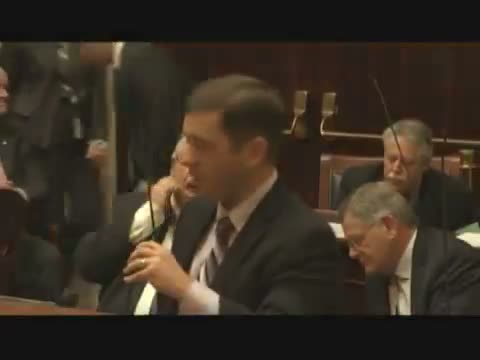
Senator Osman presented second substitute Senate Bill 111, proposing a freeze of the state basic property-tax rate and the creation of a growth account to capture increases in basic-levy revenue for phased redistribution to school districts. The sponsor said the state’s unequal property-tax yields produce a roughly $196 million gap in per-student revenue and that the bill would address approximately half of that gap over time.
Supporters described the proposal as a structural fix to long-standing inequities: Senator Bramble and others praised the initiative as a visionary, if painful, redistribution to help under-resourced districts. Senator Jones said additional money plus accountability and leadership had raised performance in some high-performing districts, and he called the proposal commendable with appropriate safeguards.
Opponents cited political and local impacts: Senator Backus said his district would lose resources over time and said he could not support the bill for that reason. Senators asked technical questions about whether local levies or caps would change; the sponsor clarified the bill does not alter local board levies or caps and leaves local revenue intact — it only redistributes new money from the state basic levy on an equalized basis.
After questions and debate, Senator Osman requested a call of the Senate to secure attendance for a final vote; the roll-call to read SB 111 for third reading was announced with 18 yes, 9 no and 2 absent and the bill advanced toward third reading.
Next steps: the bill will proceed to a third-reading roll call with final debate and potential further amendments in subsequent floor action.