Get Full Government Meeting Transcripts, Videos, & Alerts Forever!
Get email alerts on the Law Enforcement Liability topic
No spam. Unsubscribe anytime.
Senate pauses police-chase liability bill after contentious debate and amendment fight
Summary
Lawmakers debated a first-substitute bill addressing liability in police chases and an amendment that would create a gross‑negligence standard for suspects seeking damages. Senators split sharply over officer safety, third-party risks and potential litigation costs; the Senate voted to circle the bill for further work.
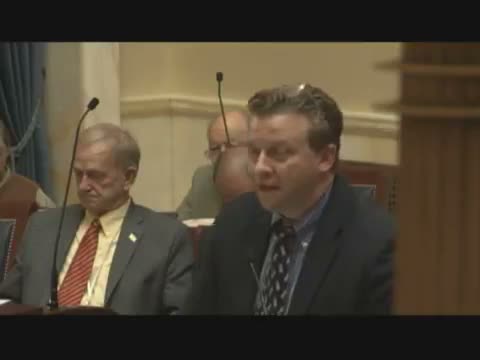
The Utah Senate spent an extended period debating first substitute House Bill 20, a measure clarifying duty-of-care and liability in police chases. Senator Hilliard offered an amendment to allow suspects to recover only on a showing of gross negligence, leading to a lengthy floor exchange about protocol, officer risk and trial costs.
Senator Hilliard described the amendment as a targeted response to a court ruling that left open whether suspects could sue, saying the amendment would permit recovery only in cases of gross negligence and protect officers acting under protocol. He said the amendment addressed a “hole” the court identified and would preserve protections in most circumstances.
Opponents, including Senator Weiler and others, argued the amendment would expose officers and the state to increased litigation and potential personal liability for officers. Senator Weiler said forcing trials on pursuit cases could increase settlements and litigation costs. Supporters of the amendment pointed to protecting third parties and suspects who suffer serious injury when officers deviate from protocol.
After extended debate and multiple procedural motions, the Senate voted on a substitute motion to circle the bill so floor sponsors and committees could gather additional information; the substitute motion to circle passed by a narrow margin in a roll-call sequence and the bill was circled for further consideration.
Next steps: Sponsors and interested senators signaled they would gather additional information on operational protocol, training and the effect of the proposed standards before the bill returns to the calendar.