Get Full Government Meeting Transcripts, Videos, & Alerts Forever!
Get email alerts on the Floor Actions topic
No spam. Unsubscribe anytime.
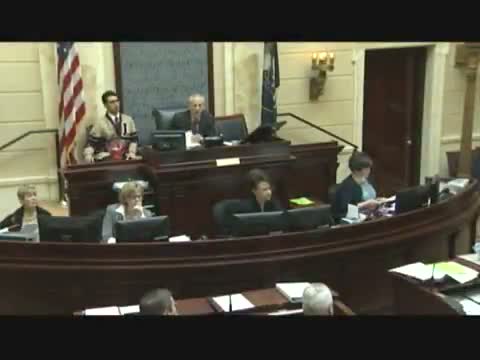
Senate approves consent and third‑reading bills; HB 26, HB 25, HB 30 and others pass
Summary
On a busy floor day the Utah Senate advanced a slate of bills by voice and roll-call votes, including passage of first substitute HB 26, HB 25 (eminent domain amendments), HB 30 (controlled substances list updates) and HB 48 (alternative sentencing reporting), all sent to the House as required.
The Utah Senate cleared several bills across policy areas during its floor session, placing many items on the consent and third‑reading calendars and approving measures by unanimous or recorded votes.
On the consent calendar, first substitute SJR 8 (term of an appointed lieutenant governor) received a unanimous recorded vote and will be transmitted to the House. The Senate also passed first substitute House Bill 26 (roll‑call: 27–0–2 absent) and sent it to the House for the Speaker’s signature.
House Bill 25, an eminent‑domain amendment championed by Senator Bramble, passed on its roll-call with 27 yea votes and strengthens property-owner protections by requiring entities to disclose evaluation methods and other information in condemnation proceedings, and it clarifies or strengthens the role of the ombudsman in eminent‑domain processes.
House Bill 48 (alternative sentencing reporting) and House Bill 30 (updates to the controlled‑substances analog list) also passed after brief floor consideration; HB 30 passed with a recorded vote (24 yea, 2 nay, 3 absent as read). First substitute SB 40 (financial and economic literacy amendments) likewise advanced after the sponsor’s summation.
The Senate completed several recognized ceremonial items during the session as well, including citations honoring several Utah mothers of the year.
What happens next: Passed House bills will be signed by the president in open session and returned to the House for the Speaker’s signature; bills introduced for first reading were referred to the Rules Committee for scheduling.