Get Full Government Meeting Transcripts, Videos, & Alerts Forever!
Get email alerts on the Autism Services topic
No spam. Unsubscribe anytime.
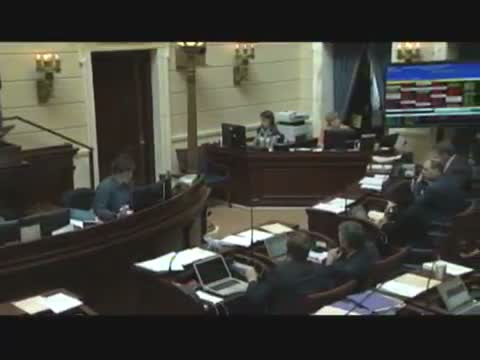
Utah Senate circulates autism insurance mandate after hours of debate
Summary
Senators debated Senate Bill 57, which would require insurers to cover certain autism therapies, at length over costs, equity and long-term savings. Supporters argued early intervention reduces future special-education costs; opponents cited a $3 million fiscal note and urged caution. The bill was circled for further consideration.
Senators on the Utah State Senate floor spent a large portion of the day debating Senate Bill 57, a measure requiring insurers to cover proven autism therapies for children, before voting to circle the bill for later consideration.
Sponsor Senator Shiozawa said the bill would expand coverage for evidence-based therapies and cited state data: “It affects over 18,000 children in the state of Utah. Highest rate in the country at 1 in 47.” He urged colleagues to act now to provide treatment that can “mainstream” children and produce long-term savings.
Opponents raised fiscal concerns and the role of the state in mandating private coverage. Senator Christensen said the bill is a “worthy cause” but warned the state and insurers would ultimately bear costs, noting his discomfort with a broad state mandate. Senator Hilliard and other members questioned whether a statewide mandate would replicate the focused pilot programs that produced strong results and pointed to a roughly $3,000,000 fiscal note attached to the proposal.
Supporters framed the bill as cost avoidance and equity. Senator Jones described early intervention as “cost avoidance,” noting high special-education costs and arguing that investing up front reduces future expenditures. Senator Robles and others said the state’s high autism prevalence and the fast-growing special-education population justify action now.
After hours of exchanges about pilot findings, insurer behavior in other states, and budgetary trade-offs, the sponsor moved to circle the bill so debate could continue at the next available calendar opportunity. The motion to circle was adopted, leaving SB 57 pending. Senate floor minutes record that amendment 3 to the bill, clarifying treatment language and eligible providers, had been adopted earlier in the day.
Next steps: SB 57 was circled for follow-up on the second-reading calendar; proponents said they would supply claims data from other states and work to narrow fiscal concerns before the bill returns to the floor.