Get Full Government Meeting Transcripts, Videos, & Alerts Forever!
Get email alerts on the Legislative Calendar topic
No spam. Unsubscribe anytime.
Votes at a glance: Utah Senate passes package of bills on elections, traffic, veterans and public safety
Summary
On Day 25 the Utah Senate approved a slate of bills including election amendments, speed‑limit authority changes, veterans and tuition clarifications, and overdose Good Samaritan language; several bills passed unanimously or with strong majorities and were sent to the House for signature or further consideration.
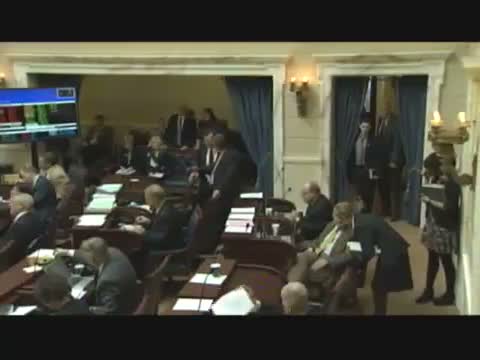
The Utah Senate concluded its Day 25 session by approving multiple bills on the consent and third‑reading calendars and by voting to send several measures to the House.
Notable votes recorded in the Senate minutes included:
- Senate Bill 18 (technical political subdivisions changes): passed — recorded as 24 yay, 0 nay, 5 absent. - First Substitute Senate Bill 90 (residency amendments): passed — recorded as 24 yay, 0 nay, 5 absent. - House Bill 270 (annual technical corrections): passed — recorded as 26 yay, 0 nay, 3 absent. - Senate Bill 134 (initiative/referral timing amendments): passed — recorded as 25 yay, 0 nay, 4 absent. - House Bill 80 (speed limit amendments): passed — recorded as 21 yay, 4 nay, 4 absent. - House Bill 11 (overdose Good Samaritan affirmative defense): passed — recorded as 24 yay, 0 nay, 5 absent. - First Substitute Senate Bill 54 (elections amendments, 'Count My Vote' related): passed — recorded as 22 yay, 4 nay, 3 absent.
Other floor actions included a motion to refuse to concur with certain House amendments (filed on First Substitute Senate Bill 99 regarding state fleet vehicle fuel sources), which the Senate adopted and sent back to the House for further work, and motions to table bills when fiscal notes were outstanding (for example, the second substitute to House Bill 59 was tabled pending a fiscal note).
Many measures were signed by the President in open session and transmitted to the House for the Speaker’s signature as required by the chamber’s rules.
What happens next: Bills approved by the Senate will proceed to the House as noted in chamber minutes; items tabled will return after fiscal notes or corrected substitutes are provided.