Get Full Government Meeting Transcripts, Videos, & Alerts Forever!
Get email alerts on the Elections topic
No spam. Unsubscribe anytime.
Senate passes compromise elections bill after extended debate over primaries and caucuses
Summary
After hours of floor debate, the Utah Senate advanced Senate Bill 54 — a compromise elections package that would enshrine a direct primary as the default while preserving party caucus options if parties adopt new participation measures — by a 26–2 second-reading vote; the bill moves to third reading.
The Utah Senate advanced a compromise elections measure, Senate Bill 54, on second reading after an extended floor debate that divided senators over the balance between party control and broader voter access.
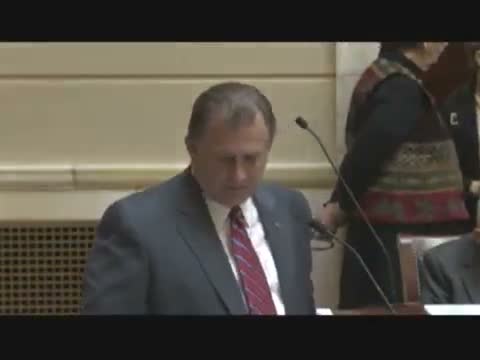
Senator Bramble, sponsor of SB 54, told colleagues the bill is intended to boost citizen participation by creating a statutory direct-primary default while allowing political parties to retain caucus-convention nomination methods if they adopt measures to broaden access. Bramble said the bill incorporates elements of the Count My Vote initiative — including a mechanism for unaffiliated voters to participate and procedural changes to caucus voting — while raising the threshold to avoid a primary to 65 percent.
"The principle of this bill is citizen participation," Bramble said, arguing that the measure offers a compromise that "gives everyone at the table" some of what they want. He asked the Senate to move the bill forward so it can be finalized in subsequent readings.
Supporters said the bill would let more people participate in delegate selection by creating a two‑day caucus vote window, permitting absentee or alternate delegates, and allowing unaffiliated voters to cast ballots without the prior 'check-the-box' requirement. Senator Wyler said it would enable citizens who must work or serve in certain roles to participate in caucuses and primaries; Senator Dayton said the bill, while imperfect, is the "least imperfect" way to increase access.
Opponents cautioned the change could inject more money-driven campaigns and raise barriers for first-time or lower-income candidates if the system shifts too far toward primaries. Several senators also emphasized that the initiative process remains available; Bramble and others pointed out the bill does not repeal initiative or referendum rights and that citizens could still pursue a statutory change through an initiative.
When the roll call concluded, the clerk announced SB 54 had received 26 yea votes, 2 nay votes and 1 absent and would be read for a third time. The Senate did not adopt the substitute on final passage at this session; the bill proceeds to the next steps required by the chamber.
What happens next: SB 54 will appear on the third reading calendar for final consideration. If the Senate passes it on third reading, the measure will move to the House for consideration and, if approved there, to the governor.
Sources: floor debate and roll-call announcements during the Senate session that introduced and debated SB 54.