Get Full Government Meeting Transcripts, Videos, & Alerts Forever!
Get email alerts on the Health Pharmacy topic
No spam. Unsubscribe anytime.
Senate adopts licensing framework for physician-run dispensing clinics
Summary
The Utah Senate on Feb. 20 approved first substitute Senate Bill 55, creating a licensing framework for 'dispensing medical practitioners' and dispensing clinics (including employer-sponsored clinics), consolidating prior exemptions and prohibiting dispensing of controlled substances.
The Utah Senate on Feb. 20 approved first substitute Senate Bill 55, establishing a licensing framework for dispensing medical practitioners and dispensing clinics that will bring prior, piecemeal exemptions under a single regulatory structure.
Sponsor Senator Vickers said the bill moves exemptions that previously allowed dermatologists, oncologists and other practitioners to dispense certain products into a unified licensing scheme and creates a new category for employer-sponsored clinics. "So what Senate Bill 55 does is it creates a licensing requirement for a dispensing medical practitioner and a dispensing medical practitioner clinic," Vickers said during Floor debate.
Under the bill, clinics and practitioners must follow the Pharmacy Practice Act framework and will not be authorized to dispense controlled substances beyond limited Schedule IV and V exceptions explicitly noted for oncologists. Vickers said the approach removes ad hoc exemptions and places them under a consistent licensing and disciplinary process: "Because essentially what we've been doing is creating exemptions from the pharmacy practice act and realizing quickly that, rule by exemption isn't a good way to go on a long term basis."
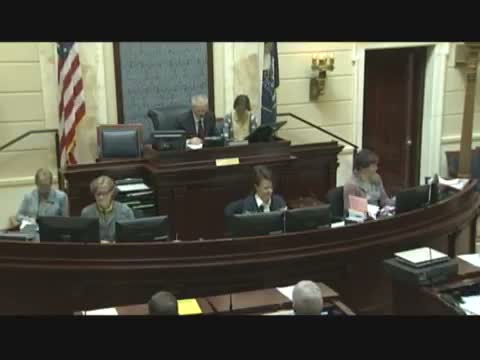
Senators adopted a drafting amendment (Amendment 3) that corrected clerical issues identified by the drafting attorney. After debate and a motion to waive further delays, the Senate heard the bill for third reading and recorded a roll call showing the bill received 24 yay votes and 0 nay votes (5 absent). The President ordered the bill enrolled for transmittal.
Supporters said the bill balances patient safety and access while allowing employers with sufficient patient volume to operate in‑house clinics that may dispense limited medications. Sponsor Vickers emphasized the bill’s safety limits: "The last thing I wanna do is allow for any kind of a physician run clinic to dispense controlled substances" and said the bill preserves pharmacy board and medical board disciplinary roles.
The bill now advances to enrollment and transmittal to the House as prescribed by Senate procedure. No implementation date or regulatory timetable beyond standard licensing development was specified on the Floor record.
Next steps: the bill will be enrolled for the Governor and administrative agencies (DOPL, Pharmacy Practice Board, Medical Practice Board) will later develop implementing rules and licensing steps if the bill becomes law.