Get Full Government Meeting Transcripts, Videos, & Alerts Forever!
Get email alerts on the Native American Recognition topic
No spam. Unsubscribe anytime.
Senate backs resolution urging Congress to support national museum recognizing atrocities against American Indians
Summary
Senators heard emotional testimony from Sheldon Spotted Elk and passed a joint resolution asking Congress to support a national museum acknowledging historical atrocities against American Indians, framing the measure as a step toward reconciliation and broader public education.
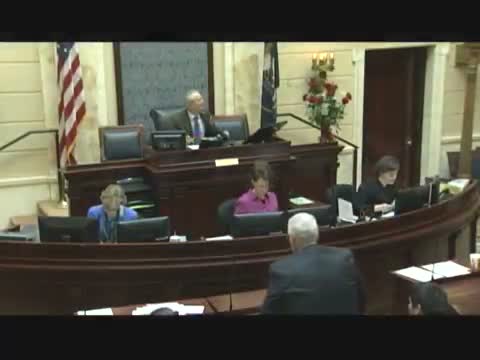
SALT LAKE CITY — The Utah State Senate on the floor moved unanimously to endorse a joint resolution asking the U.S. Congress to support establishment of a national museum recognizing atrocities committed against American Indians.
Senator Reid introduced the second substitute of the joint resolution and asked the Senate to resolve into the Committee of the Whole to receive testimony. Sheldon Spotted Elk, who identified his Cheyenne family and said his family name translates to “Spotted Elk,” recounted family oral history, cited the upcoming 150th anniversary of the Sand Creek Massacre and urged senators to support the resolution as part of a broader process of reconciliation.
The resolution, Reid said, would urge Congress to support creation of a national museum that acknowledges historical government actions against Native people and the continuing effects of those policies. “This resolution is for all humanity,” Spotted Elk said in testimony, describing intergenerational trauma and urging the body to “take a stand.”
Senator Valentine explained his affirmative vote, noting Native ancestry in his family and saying he had sympathy for the resolution’s aims. President Niederhauser recorded the favorable vote and thanked Senator Reid for the measure.
Proponents framed the resolution as symbolic but consequential: supporters said public acknowledgment and a museum could shift national conversations about history and policy affecting American Indian communities. The resolution was advanced by motion on the floor and passed; the Senate directed the enrolled copy be transmitted as required.
The measure does not itself create federal funding or a federal museum; rather, it asks the Utah delegation and U.S. Congress to support such an effort. The resolution’s text and any follow-up requests to federal officials were not specified on the Senate floor record aside from the passage and the recorded roll calls and affirmations related to the motion.