Get Full Government Meeting Transcripts, Videos, & Alerts Forever!
Get email alerts on the Animal Welfare Hb57 topic
No spam. Unsubscribe anytime.
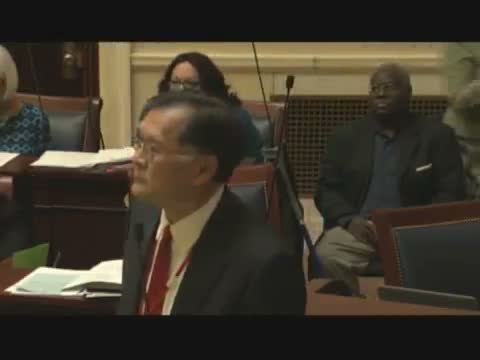
Senate passes House Bill 57 restricting certain euthanasia practices after debate
Summary
After floor debate, the Senate approved HB57, which clarifies circumstances for animal euthanasia in shelters, requires training and sets preferred methods; supporters said the bill is backed by shelter advocates and the Utah Veterinary Association, while opponents argued some methods (carbon monoxide) can be humane.
The Utah Senate voted to pass House Bill 57, which amends shelter euthanasia policies, after a recorded floor debate that divided members around acceptable methods.
Senator Shiozawa, the bill sponsor, said HB57 "clarifies the circumstances by which the rather unpleasant task of euthanizing an animal in a shelter can be done," requires shelters to provide biennial training and establishes policy standards. She told the chamber the bill is endorsed by shelter professionals and the Utah Veterinary Association.
Senator Christiansen registered opposition on the floor, arguing that some municipalities still use carbon monoxide and that, in his view, "In fact, it is the most humane way," describing the method as causing unconsciousness before death and noting it avoids needles or restraint. Senator Thatcher later explained a change of position based on assurances that prior concerns from law enforcement and shelter workers had been addressed.
The Senate recorded the final vote on third reading as 21 yeas, 7 nays, and 1 absent; the bill was read for third time and passed as recorded on the floor.
Supporters said the measure codifies best practices endorsed by shelter and veterinary stakeholders; opponents cautioned that the bill constrains a method they consider humane in certain contexts. The floor record shows both the sponsor’s backing by veterinarians and explicit dissent from several senators. The result advances HB57 toward enactment after the standard legislative transmittal steps.